Bommarito Chevrolet South County

Blog / St Louis Chevrolet Service

How Long Has It Been Since Your Last Chevy Oil Change?

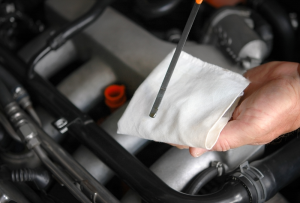
Service technician checking the oil with a white cloth. | Chevy service center in St. Louis, MO
Getting a Chevy oil change regularly is essential if you want your Chevy to continue working correctly. Oil changes ensure your engine runs smoothly, your gas mileage remains steady, and your car doesn't stutter or break down while driving. However, how often should you really get an oil change?

Has It Been 3 Months?

If it has been three months since your last oil change, it might be time for another one. Generally, experts recommend changing your oil every three to six months. Twice a year should be the minimum. Alternatively, you can go by miles and change your oil every 3,000-6,000 miles.

Signs You Need a Chevy Oil Change

If you have not been keeping track of how long it has been or how many miles you have driven since your last oil change, some other telltale signs can tell you if it is time for an oil change. The first thing to look at is your OLS. OLS stands for Oil Life System, which is an oil monitoring system. Most Chevys will have this light, which will turn on when it is time to service your car. It monitors things such as how many miles you have driven and engine temperature. Other signs you might need an oil change include a rattling engine or dirty oil. Since oil is vital for the lubrication of the engine, rattling noises may mean you need new oil. Shaking, excessive exhaust, and engine stuttering can also be signs you need an oil change.

Benefits of Changing Your Oil Frequently

Increase Your Gas Mileage

Clean oil is essential for the smooth operation of your vehicle. You will get more miles out of your gas when you change your oil frequently, thus saving money and reducing the number of times you need to stop at a gas station on longer trips.

Increase Your Engine's Lifespan

Oil provides lubrication, which the engine needs for components to run smoothly. Without lubrication, parts can get worn out. Changing your oil a few times a year will keep your engine running smoothly so that it stays powerful. It will also prevent your engine from heating up, which can lead to other problems. You will be able to keep your car longer, and you will experience fewer engine issues.

It's Better for the Environment

When you don't change your oil, hydrocarbons build up inside your engine. Then, when you use your car, you burn those hydrocarbons, and the smoke gets released into the atmosphere. That is not good for the environment, so if you want to be environmentally friendly, change your oil more frequently. You will reduce emissions and will have a better chance of passing emissions inspections. Visit Bommarito Chevrolet South County to schedule your oil change. If it's been a while since your last inspection, you can schedule an inspection, and we'll determine whether it's time for an oil change or not.

Posted in:

Related Posts

Chevy Collision Repair: Restoring Your Vehicle

If you've been involved in a collision, you're facing the stress of a damaged car and the daunting prospect of dealing with insurance companies. We can help to ensure a smooth and cost-efficient process, restoring your car to excellent condition and communicating with the insurer on your behalf. Here's an outline of the steps involved in Chevy collision repair so you know what to expect in the days to come. more Chevy Collision Repair: Restoring Your Vehicle to Pristine Condition Initial Damage Assessment At the start of the process, an appraiser will examine the vehicle to assess the full scope of the damage. They'll estimate all the repairs required and how much it will cost. Coordinating With the Insurer Next, we'll contact the insurance company and go through the approval process to ensure that the repairs will be covered under your policy. This may involve some back and forth as deductibles and other repair and coverage aspects are discussed and negotiated. Disassembling the Vehicle It's now time to begin the restoration process. Following a collision, along with exterior damage there's often interior harm to be uncovered and dealt with as well. Your car will be disassembled, each component inspected for hidden damage. Preparing Replacement Parts Damaged components will need to be either repaired or replaced. If required, replacement parts will now be ordered. We recommend genuine OEM Chevy parts for optimal quality, compatibility, and reliability. At this stage, mechanical repairs will be planned out and begun. Restoring the Body Components During any collision, the fenders, bumpers, and body panels almost always endure the worst damage. Reshaping and restoring these external parts requires a great deal of skill and sophisticated machinery. Damaged sections will now be replaced. Dents will be filled and smoothed over. Refinishing the Bodywork With structural and mechanical repairs completed, the finish of each external part will be meticulously restored to pristine condition. All the necessary filling, sanding, priming, painting, and waxing will be carried out to optimize your car's aesthetic appeal and remove all visible signs that a collision ever occurred. Reassembling the Vehicle Every part of your car will now be fitted back into place with painstaking care. Our technicians will precisely realign each component, testing and adjusting all the while to ensure factory-like condition. Performance and Safety Inspection Your fully reassembled vehicle will be thoroughly tested in all ways. Optimal performance and safety must be ensured before the repair process is considered complete. Internal and External Cleaning Finally, we'll detail your vehicle, cleaning and polishing every part, internally and externally. Once we're done, your car will likely look and smell even better than it did before the collision. Book full collision repair for your car today at Bommarito Chevrolet South County in St. Louis, MO. Our friendly, experienced technicians can ensure that your car is looking and driving like new once more in record time.

Advanced Diagnostics for Chevrolet: Pinpointing Issues with Precision

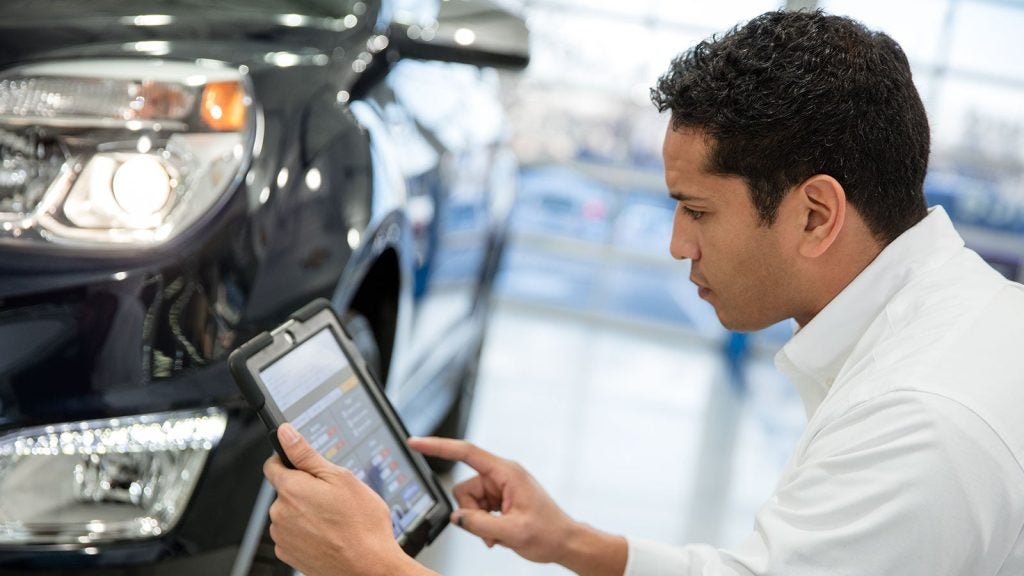
Image via Chevrolet Keeping your Chevrolet in excellent condition means being proactive about preventing problems and taking care of issues as soon as they arise. Engine diagnostics can let you know what's going on with your car at any given time and what steps need to be taken next to fix it. Here's what a professional diagnostic test includes and how a qualified Chevy dealer can help you keep your car running smoothly rain or shine. more Why and When to Have Engine Diagnostics Diagnostics are a critical part of engine upkeep, especially for modern vehicles that rely heavily on computerized components. Not only does running a diagnostic test help you catch problems before they can do damage to your car, it's also the only way to identify certain issues like faulty sensors or early catalytic converter problems. Ideally, you should have your engine checked quarterly, or every three months. What Do Diagnostics Check For? A thorough diagnostic assessment should check all of your vehicle's major systems, including the transmission, engine, brake system, oil tank, and fuel system. This can identify problems like: Misfiring cylinders Engine running too rich Engine running too lean Failed oxygen sensor Emissions leaks Thermostat problems What to Expect During Your Diagnostic Test When you bring your vehicle to a dealership for diagnostic testing, your dealership will start by checking your dashboard for tripped sensors, like the "check engine" light or the oil pressure warning light. Then, they will connect a special device to a port on your car's engine. This will read your vehicle's computer and alert your dealer to problems that need to be fixed and which parts the repairs will require. This may take several minutes to complete. Depending on the errors found, you may need to have repairs done the same day, or you may be able to come back at a later date if they aren't urgent. If you're testing your car proactively, you can schedule the work you need to have done when it's most convenient for you, instead of being sidelined by unexpected repairs. Should You Use a Regular Mechanic or Chevy Dealer for Your Diagnostics? Most mechanics near you can perform a diagnostic test on your vehicle, but you can also visit your dealership for this same service. There are plenty of benefits of going to your dealer, including faster service, more knowledgeable assessments, and high-quality replacement parts that are designed to fit your car. Contact Bommarito Chevrolet South County in St. Louis, MO today to learn more about the importance of vehicle diagnostics for your Chevy or to schedule an appointment to bring your car in for an assessment. We're right next door to Golden Corral, across the street from the All American Sports Mall, so stop by while you're out and about if you've been putting off your vehicle service!

Chevy Performance Parts: Enhancing Your Vehicle

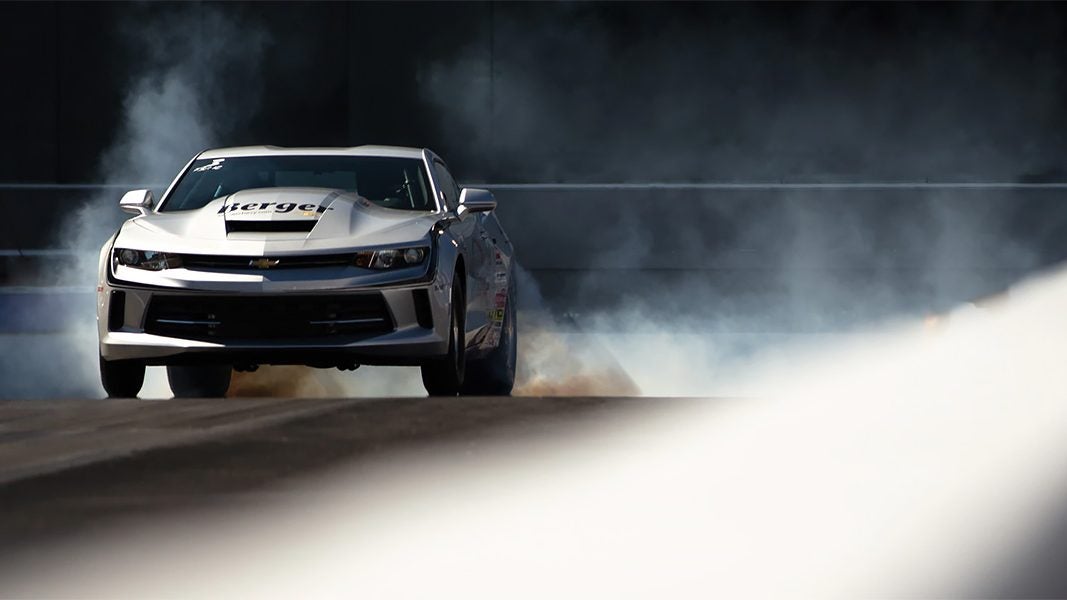
Image via Chevrolet Even Chevy's performance can be improved, and the way to do this is by choosing genuine Chevy performance parts. They're designed, engineered, and manufactured by Chevrolet to the same exacting standards as regular parts. Numerous components and systems are available, ranging from complete engines to connecting rods and pistons. Let's look at some of the parts, depending on your model and requirements, you can choose from. more Chevy Performance Parts: Taking Performance to the Next Level Crate Engines Want more engine power? A crate engine is the answer. There's a wide range of engines to choose from, depending on whether you want a track-only engine or simply enhanced performance for regular driving. Pick from the engines appropriate for your Chevy model, and you'll receive a complete engine together with all necessary fittings so it's ready to be installed. If you want exceptional strength and durability, a big block 454 is the way to go. If you prefer, a small block engine, like the 383 range, provides enhanced power within a smaller space. The LT engine series supplies Corvette-level performance with its state-of-the-art direct fuel injection. Additional specialized engines, like the racing CT series or the off-road 525 RLB, are also available, depending on your requirements. Transmissions If you're upgrading your engine, you'll need a transmission to handle its power. Automatic transmissions in four-speed, six-speed, eight-speed, and ten-speed are available to choose from. If you prefer a manual option, the high-capacity Super Magnum six-speed is ready and waiting for you. Connect & Cruise You can choose the engine and transmission options you want, depending on your Chevy model, or you can let Chevy do it for you. Cruise & Connect can save you research time as Chevy engineers have combined the perfect engine-transmission packages for you. If you choose this option, you'll receive a complete powertrain consisting of the engine, transmission, engine control unit, transmission control unit, and transmission installation kit. e-Crate e-Crate gives you the option to change your gasoline or diesel-powered Chevy to a fully electric vehicle. It includes a 66 kWh lithium-ion battery pack and a 400-volt electric drive motor that can connect directly to your four-speed automatic transmission. This EV conversion kit provides 400v/200 hp and 266 lb-ft of torque. Suspension Lift Kit Want to increase off-road performance? A suspension lift kit can make even more of the great outdoors available to explore by allowing you to travel the most challenging terrain. Depending on your model, kits may be available for 2WD and 4WD powertrains and include steel leaf springs. There are many more enhancements you can choose from. If you'd like more information or book installation or your chosen parts, contact us today at Bommarito Chevrolet South County in St. Louis, MO.