




Bommarito Chevrolet South County

Blog / St Louis Chevrolet Service

Blog

All St Louis Chevrolet Service St Louis Chevrolet Dealer Chevrolet Models Local Family Fun Local Activities Bommarito Chevrolet South County Service Local Eateries Tips & Tricks History Travel Community Involvement St Louis Used Cars

Chevy Collision Repair: Restoring Your Vehicle

If you've been involved in a collision, you're facing the stress of a damaged car and the daunting prospect of dealing with insurance companies. We can help to ensure a smooth and cost-efficient process, restoring your car to excellent condition and communicating with the insurer on your behalf. Here's an outline of the steps involved in Chevy collision repair so you know what to expect in the days to come. more Chevy Collision Repair: Restoring Your Vehicle to Pristine Condition Initial Damage Assessment At the start of the process, an appraiser will examine the vehicle to assess the full scope of the damage. They'll estimate all the repairs required and how much it will cost. Coordinating With the Insurer Next, we'll contact the insurance company and go through the approval process to ensure that the repairs will be covered under your policy. This may involve some back and forth as deductibles and other repair and coverage aspects are discussed and negotiated. Disassembling the Vehicle It's now time to begin the restoration process. Following a collision, along with exterior damage there's often interior harm to be uncovered and dealt with as well. Your car will be disassembled, each component inspected for hidden damage. Preparing Replacement Parts Damaged components will need to be either repaired or replaced. If required, replacement parts will now be ordered. We recommend genuine OEM Chevy parts for optimal quality, compatibility, and reliability. At this stage, mechanical repairs will be planned out and begun. Restoring the Body Components During any collision, the fenders, bumpers, and body panels almost always endure the worst damage. Reshaping and restoring these external parts requires a great deal of skill and sophisticated machinery. Damaged sections will now be replaced. Dents will be filled and smoothed over. Refinishing the Bodywork With structural and mechanical repairs completed, the finish of each external part will be meticulously restored to pristine condition. All the necessary filling, sanding, priming, painting, and waxing will be carried out to optimize your car's aesthetic appeal and remove all visible signs that a collision ever occurred. Reassembling the Vehicle Every part of your car will now be fitted back into place with painstaking care. Our technicians will precisely realign each component, testing and adjusting all the while to ensure factory-like condition. Performance and Safety Inspection Your fully reassembled vehicle will be thoroughly tested in all ways. Optimal performance and safety must be ensured before the repair process is considered complete. Internal and External Cleaning Finally, we'll detail your vehicle, cleaning and polishing every part, internally and externally. Once we're done, your car will likely look and smell even better than it did before the collision. Book full collision repair for your car today at Bommarito Chevrolet South County in St. Louis, MO. Our friendly, experienced technicians can ensure that your car is looking and driving like new once more in record time.

Comprehensive Multi-Point Inspections for Your Chevrolet: What to Expect

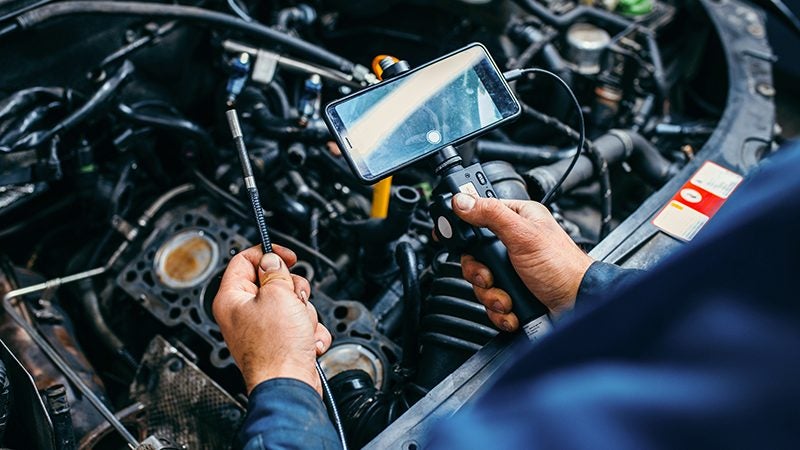
Routine inspections can help you find minor mechanical issues before they turn into full-blown problems that are more expensive to fix. Your regular Chevy inspection at your Chevy dealer can be scheduled at your convenience or when you notice performance issues, such as battery problems. Learn the ins and outs of routine vehicle inspections before you schedule your next service appointment. more Comprehensive Multi-Point Inspections for Your Chevrolet: What to Expect A Multi-Point Inspection will inspect all the crucial components of your vehicle to ensure everything is in good condition. Key points of your Multi-Point Inspection include checking the tires, brakes, windshield wipers, suspension systems, safety systems, exterior lights, and various fluids. Your Chevy mechanic will pay particular attention to the level and condition of transmission fluid, brake fluid, motor oil, and coolant. Your inspection service will also include a visual inspection, which is when a mechanic examines the interior and exterior of your vehicle for visible damage. Some visible damage, such as cracked headlights or bubbles on tire walls, can lead to mechanical errors in the future, so a mechanic may recommend correcting these issues as soon as possible. When to Schedule a Chevy Inspection You can generally ask for a Multi-Point Inspection during any of your routine vehicle services at your local dealership. For example, if you're already visiting your dealership for your regular tire rotation, you can request a Multi-Point Inspection to ensure all the other components of your vehicle are ready to take on the road. For some drivers, it may be a good idea to schedule a comprehensive inspection service before taking a long trip to make sure your Chevy is ready for extensive driving. You may also want to request a Multi-Point Inspection if you have noticed a marked difference in your vehicle's performance, such as reduced gas mileage, signs of battery issues, or problems with your air conditioning system. Can Regular Inspections Help You Save Money? Scheduling a routine vehicle inspection can help you reduce your maintenance costs. If you invest in correcting minor mechanical issues early, you can prevent these issues from getting worse or damaging other components of your vehicle. For example, if you notice your car overheating and a mechanic finds a small crack in your radiator during a routine inspection, but you fail to schedule repairs, your engine and other parts under the hood can be severely damaged. Simplifying Car Maintenance at Your Chevy Dealer If you drive a new Chevy vehicle, there's a good chance that you can streamline your vehicle maintenance by using the myChevrolet app and accessing vehicle diagnostic tools. This app can generate monthly vehicle diagnostics to identify performance issues that require service and remind you to keep up with scheduled maintenance appointments. It's a good idea to book routine vehicle inspections to correct small mechanical issues before they become expensive problems. Get in touch with Bommarito Chevrolet South County in St. Louis, MO to schedule a Multi-Point Inspection today.

Advanced Diagnostics for Chevrolet: Pinpointing Issues with Precision

Image via Chevrolet Keeping your Chevrolet in excellent condition means being proactive about preventing problems and taking care of issues as soon as they arise. Engine diagnostics can let you know what's going on with your car at any given time and what steps need to be taken next to fix it. Here's what a professional diagnostic test includes and how a qualified Chevy dealer can help you keep your car running smoothly rain or shine. more Why and When to Have Engine Diagnostics Diagnostics are a critical part of engine upkeep, especially for modern vehicles that rely heavily on computerized components. Not only does running a diagnostic test help you catch problems before they can do damage to your car, it's also the only way to identify certain issues like faulty sensors or early catalytic converter problems. Ideally, you should have your engine checked quarterly, or every three months. What Do Diagnostics Check For? A thorough diagnostic assessment should check all of your vehicle's major systems, including the transmission, engine, brake system, oil tank, and fuel system. This can identify problems like: Misfiring cylinders Engine running too rich Engine running too lean Failed oxygen sensor Emissions leaks Thermostat problems What to Expect During Your Diagnostic Test When you bring your vehicle to a dealership for diagnostic testing, your dealership will start by checking your dashboard for tripped sensors, like the "check engine" light or the oil pressure warning light. Then, they will connect a special device to a port on your car's engine. This will read your vehicle's computer and alert your dealer to problems that need to be fixed and which parts the repairs will require. This may take several minutes to complete. Depending on the errors found, you may need to have repairs done the same day, or you may be able to come back at a later date if they aren't urgent. If you're testing your car proactively, you can schedule the work you need to have done when it's most convenient for you, instead of being sidelined by unexpected repairs. Should You Use a Regular Mechanic or Chevy Dealer for Your Diagnostics? Most mechanics near you can perform a diagnostic test on your vehicle, but you can also visit your dealership for this same service. There are plenty of benefits of going to your dealer, including faster service, more knowledgeable assessments, and high-quality replacement parts that are designed to fit your car. Contact Bommarito Chevrolet South County in St. Louis, MO today to learn more about the importance of vehicle diagnostics for your Chevy or to schedule an appointment to bring your car in for an assessment. We're right next door to Golden Corral, across the street from the All American Sports Mall, so stop by while you're out and about if you've been putting off your vehicle service!

Chevy Performance Parts: Enhancing Your Vehicle

Image via Chevrolet Even Chevy's performance can be improved, and the way to do this is by choosing genuine Chevy performance parts. They're designed, engineered, and manufactured by Chevrolet to the same exacting standards as regular parts. Numerous components and systems are available, ranging from complete engines to connecting rods and pistons. Let's look at some of the parts, depending on your model and requirements, you can choose from. more Chevy Performance Parts: Taking Performance to the Next Level Crate Engines Want more engine power? A crate engine is the answer. There's a wide range of engines to choose from, depending on whether you want a track-only engine or simply enhanced performance for regular driving. Pick from the engines appropriate for your Chevy model, and you'll receive a complete engine together with all necessary fittings so it's ready to be installed. If you want exceptional strength and durability, a big block 454 is the way to go. If you prefer, a small block engine, like the 383 range, provides enhanced power within a smaller space. The LT engine series supplies Corvette-level performance with its state-of-the-art direct fuel injection. Additional specialized engines, like the racing CT series or the off-road 525 RLB, are also available, depending on your requirements. Transmissions If you're upgrading your engine, you'll need a transmission to handle its power. Automatic transmissions in four-speed, six-speed, eight-speed, and ten-speed are available to choose from. If you prefer a manual option, the high-capacity Super Magnum six-speed is ready and waiting for you. Connect & Cruise You can choose the engine and transmission options you want, depending on your Chevy model, or you can let Chevy do it for you. Cruise & Connect can save you research time as Chevy engineers have combined the perfect engine-transmission packages for you. If you choose this option, you'll receive a complete powertrain consisting of the engine, transmission, engine control unit, transmission control unit, and transmission installation kit. e-Crate e-Crate gives you the option to change your gasoline or diesel-powered Chevy to a fully electric vehicle. It includes a 66 kWh lithium-ion battery pack and a 400-volt electric drive motor that can connect directly to your four-speed automatic transmission. This EV conversion kit provides 400v/200 hp and 266 lb-ft of torque. Suspension Lift Kit Want to increase off-road performance? A suspension lift kit can make even more of the great outdoors available to explore by allowing you to travel the most challenging terrain. Depending on your model, kits may be available for 2WD and 4WD powertrains and include steel leaf springs. There are many more enhancements you can choose from. If you'd like more information or book installation or your chosen parts, contact us today at Bommarito Chevrolet South County in St. Louis, MO.

Chevrolet Wheel Alignment: Improving Handling and Tire Wear

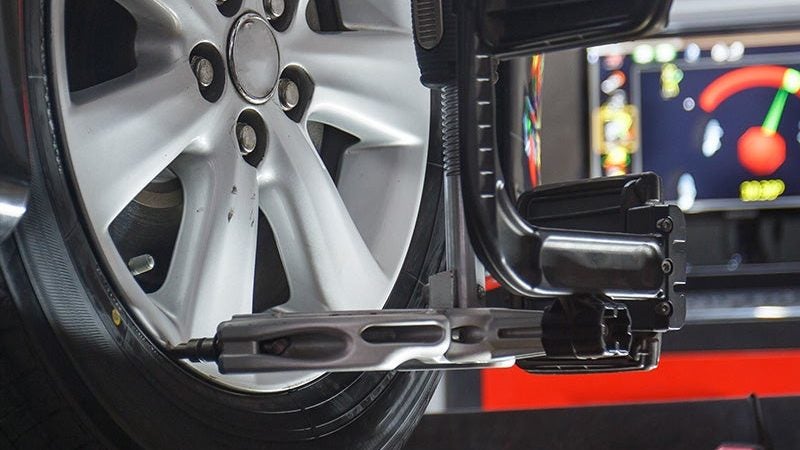
Your Chevy dealer provides numerous services that help you keep your tires in shape. Keeping your tires in good condition helps them last for many years and lets them deliver a comfortable ride throughout their lifespan. A wheel alignment is one type of service that greatly benefits your car and makes driving safer and easier. more Chevrolet Wheel Alignment: What Is It? Your vehicle's wheels become misaligned over time. The tires may turn toward your car or away from it. They can tilt at an angle, leaning toward your car or away from it. This tilting and turning is fixed during an alignment. The car's wheels aren't actually moved during an alignment. Instead, the technicians at your dealership adjust your vehicle's suspension. This is the system that connects the car to the wheels. The adjustment straightens out the wheels so that they're flat on the ground and facing forward. You need to get this service as soon as you notice your wheels are becoming misaligned. Your car needs regular alignment inspections, too. How an Alignment Improves Handling and Tire Wear Improved Tire Wear When your wheels are out of alignment, some parts of your tires wear down more than others. This is because some parts spend more time in contact with the ground and drag more than other parts. When your tires wear down unevenly, car rides become bumpy and uncomfortable, your fuel efficiency suffers, and other parts of your car are put under strain. Getting regular alignments prevents these problems. Improved Handling It can be much harder to handle your car when every ride is jarring and bumpy. Plus, when your vehicle is out of alignment, it frequently pulls to one side when you're driving, so you need to alter how you hold the steering wheel. If all of your wheels are tilted to the left, for example, holding your steering wheel in a neutral position may cause the car to veer left. You then have to turn the steering wheel slightly to get the car to drive straight, making the car more difficult to handle overall. Signs You Need to Head to the Chevy Dealer for an Alignment Crooked Steering Wheel Your steering wheel may be crooked if your wheels are out of alignment. This is most noticeable when you're driving straight. Vibrating Steering Wheel Different issues can cause your steering wheel to vibrate when driving. Misaligned wheels are one of those issues. Instead of vibrating, the steering wheel might feel more like it shaking. Tire Noise It's normal for your tires to make some noise as they roll. If the tires start squealing, however, that's not so normal. Your vehicle may be misaligned, so head to the dealership to get it checked out. Come to Bommarito Chevrolet South County in St. Louis, MO when your wheels are misaligned. We'll get them back in alignment and provide any other service your vehicle needs.

5 Services Offered by Your Chevy Dealer

Timely maintenance can help you keep your vehicle operating at peak efficiency. Whether you drive a sporty Camaro, durable Equinox, or rugged Colorado, your local Chevy dealer provides a variety of services that can improve your vehicle's performance and keep you safe on the road. Here are several types of Chevy service to consider. more 5 Chevy Service Options to Get at Your Local Chevy Dealer Oil Change Oil changes are among the most important types of service for any vehicle, since they keep the engine operating at peak performance. Engines require oil to lubricate all their moving parts, preventing excess wear and overheating. Most vehicles require oil changes every 3,000 to 10,000 miles, and new vehicles often will alert you when you're in need of this service. Brake Service Quality brakes are essential for maintaining safety on the road. Brake pads wear down over time, often between 30,000 and 70,000 miles, and worn brake pads can make it more difficult for your vehicle to stop quickly. When brake pads need to be replaced, they may make a high-pitched noise when you press on the pedal. Your service department can replace this part and quickly inspect the brakes to prevent other issues. Battery Replacement Your battery is necessary for providing the jolt of power needed to start your engine. As this part wears down, which often happens every three to five years, your vehicle may take longer to start or potentially not start at all. This issue is especially prevalent when temperatures drop, as batteries have to provide more power to warm up the engine. If your car is taking longer to start, or if your battery is simply approaching the end of its lifespan, your service department can replace it with a new one. Tire Service Quality tires are essential for maintaining efficiency and safety on the road. Tires often last between 35,000 and 75,000 miles, depending on the type of tires and your maintenance and driving habits. In addition to providing tire replacement services, your dealership provides tire rotations to prevent uneven wear and prolong the lifespan of your tires. Engine Diagnostics and Repairs If your check ​engine light illuminates while you drive, it means that something under ​the hood needs attention. ​Your service department ​can quickly diagnose the problem and address the source to ​get you back on the road as quickly as possible. ​ If you're ready to schedule any of the above services, contact Bommarito Chevrolet South County at 6127 S. Lindbergh in St. Louis, MO. Our service department is staffed by trained professionals who can thoroughly inspect vehicles and provide preventive maintenance to keep your vehicle operating as efficiently as possible.

Chevrolet Tire Service and Replacement: Keeping You Rolling Smoothly

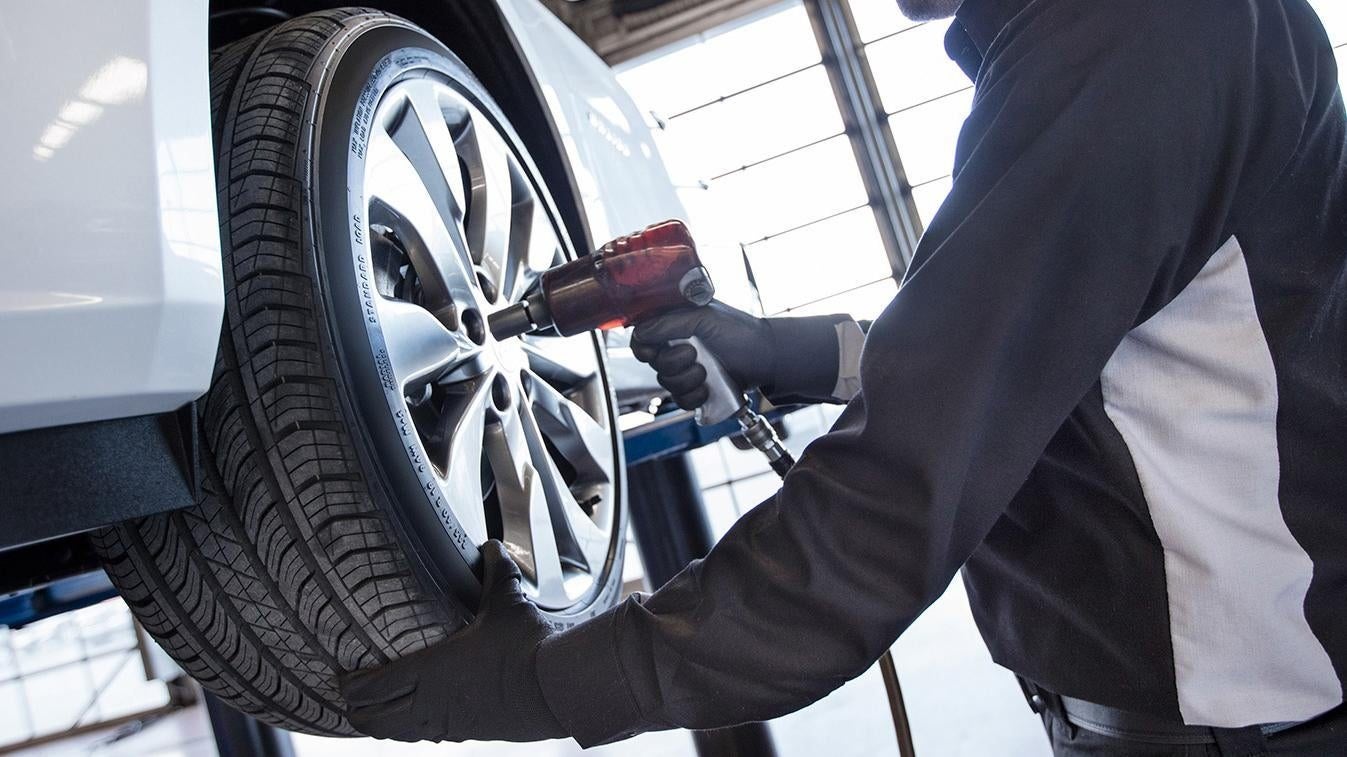
Image via Chevrolet Tire maintenance is essential for your Chevy, as worn or damaged tires are a major contributor to accidents. Statistics from the National Transportation Safety Board (NTSB) show that over 30,000 accidents occur every year in the US due to tire-related issues. As your Chevy dealer, we want to tell you some signs that you need to visit us for new tires. Tire Maintenance: Signs You Need New Tires From Your Chevy Dealer Cracked Tires Modern tires are manufactured from high-quality rubber and have special metal and polymer reinforcement for added strength. They have a longer life than ever before, but they will slowly break down. Environmental factors like water, mud, and even sunlight damage your tires. In addition, older rubber loses flexibility and this causes cracks in your tires. Cracks will widen and deepen as the rubber heats up when you drive and then cools down again when you stop. Gradually, the cracks will reach deep into the tires, making leaks or blowouts more likely. Our technicians will examine your tires and can advise on their potential remaining life. If your tires show deep cracks that compromise their structure, we can replace them. Misaligned Tires Tires wear down due to friction, as we've seen, and each tire position also causes specific wear patterns. In addition, incorrect tire alignment will produce further damage. Tire alignment is the angle of your tires, and this can vary from perpendicular to the ground to leaning inward or outward when viewed from above and from the front. The correct alignment is determined by the designers and engineers to provide the best performance possible for your model. When your Chevy is new, its tire alignment is perfect. As time passes, alignment can change due to rough road conditions or accidents. This increases tire damage and reduces their lifespan. We fix this problem by connecting your wheels to our alignment machine, which adjusts each wheel to its correct alignment again. Low Tread The tread is the raised pattern on the section of a tire that's in contact with the surface. It's designed to grip the surface to provide traction while driving and to assist in braking. Since the tread is exposed to constant friction, it's reinforced with steel and polymer bands beneath its surface. Tread slowly wears down, which increases stopping distance and affects vehicle handling. Severely worn tread becomes almost smooth, creating a bald tire. This type of tire is dangerous to drive on and is also illegal. It provides no grip on the surface and can also skid if it moves over water or mud. Our technicians will examine your tires, and we can quickly replace and balance any damaged tires. Contact our service department today at Bommarito Chevrolet South County in St. Louis, MO.

From Your Chevy Dealer: 3 Tips To Protect Your Chevy Battery

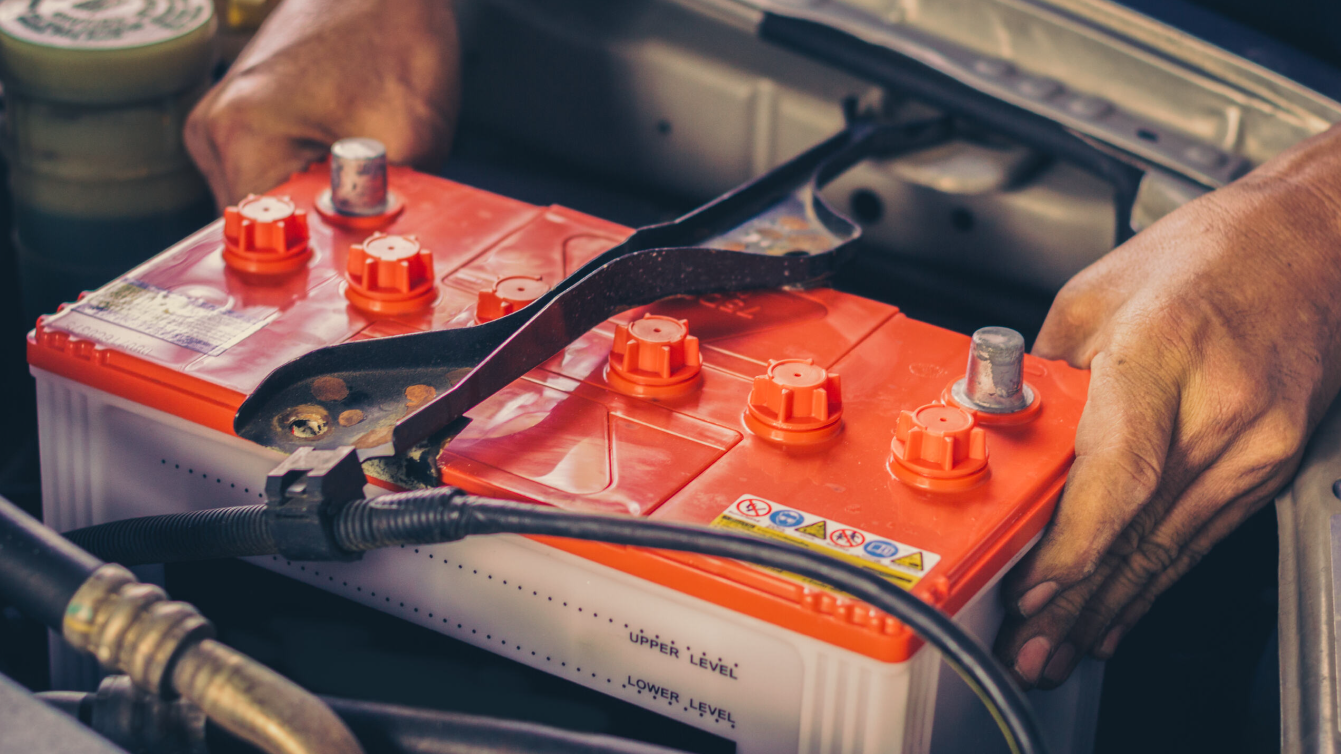
Your Chevy battery will need a replacement battery every three to five years. Battery health can be affected by external conditions and issues with other car systems, and your battery could fail when you least expect it to. As your Chevy dealer, we'd like to give you some tips on how to get the longest use out of your battery. more From Your Chevy Dealer: 3 Tips To Protect Your Chevy Battery Reduce Small Trips Frequent short trips of only a few miles can damage your battery's long-term health. To understand this, we need to look at how a battery recharges. Starting your engine requires a large portion of a battery's electricity reserves, and this electricity must be replaced. Once your engine is running, a mini generator in your engine called the alternator begins the recharging process. The alternator recharges the battery at full power for ten minutes and then charges​​​​​​​​​​​​​​​​​​​​​​​​ at 10% of battery capacity until the battery's electricity reserves are replenished. Driving short distances doesn't allow the alternator sufficient time to recharge the battery, and your battery will gradually weaken and fail. You can prevent this failure by driving for at least two uninterrupted hours per week. Check Your Battery Connections The battery is connected to the electrical system by two cables, one attached to the positive terminal and the other to the negative terminal. These connectors are tightly screwed onto the terminals to ensure the battery and supply and receive electricity. As time passes, these cables can slightly loosen and sever the connection between the battery and the rest of the electrical system. Corrosion can also develop on the terminals or battery connectors over time and block the flow of electricity to and from the battery. If you suspect a problem with your connectors, our expert technicians will examine it for you. We can easily re-tighten the connectors and determine the source of corrosion. If the corrosion is due to the battery, the battery is wearing out and will need replacement. Beware Extreme Weather A battery works most efficiently at moderate temperatures. A regular battery contains copper plates, sulfuric acid, an electrolyte solution, and other substances. The electrolyte solution enables the chemical relations that store and supply electricity to take place. Very hot or cold conditions over an extended period can affect the condition of the electrolyte. Extremely hot conditions will cause the electrolyte solution to boil, and the battery will suffer serious damage as the solution drops. In contrast, extremely cold conditions cause the electrolyte to freeze and expand, and this can damage the battery casing. This damage is more likely if your battery is three or more years old. We can test your battery and advise if it needs to be replaced. If you'd like more tips on protecting your battery, contact us today at Bommarito Chevrolet South County in St. Louis, MO.

Chevy Suspension Service: Ensuring a Smooth and Comfortable Ride

Most of us don't notice our suspension system until something goes wrong and the ride doesn't feel smooth and clean like it's supposed to. If that's happening to you, or if you want to prevent problems like that from happening at all, it's time for suspension service at your Chevy dealer. more How It Works The suspension system in your Chevy consists of shocks or struts, springs, control arms, bushings, and sway bars. These components work together to absorb and dampen road shocks, maintain tire contact with the road, and provide stability and control while driving. Over time, these components can wear out or become damaged, leading to a decline in ride quality and handling performance. Regular suspension service helps to identify and address these issues before they become major problems. Signs Your Suspension Needs Service If you notice that your ride has become increasingly rough or bumpy, it could be a sign that your shocks or struts are worn out. If your vehicle pulls to one side or drifts while driving, it could indicate an alignment issue or worn suspension components. Uneven tire wear can also be a sign of suspension problems, such as worn-out shocks or struts, which can affect tire contact with the road. If your vehicle bounces excessively after hitting a bump, it's likely that your shocks or struts need to be replaced, and clunking or squeaking noises while driving over bumps or turning can indicate worn or damaged suspension components. What Suspension Service at Your Chevy Dealer Is All About Safety A properly functioning suspension system allows you to maintain control and stability while driving, especially during sudden maneuvers or on rough roads. Comfort A well-maintained suspension system ensures a smooth and comfortable ride by absorbing road shocks and vibrations. Tire Longevity Proper suspension maintenance helps to ensure even tire wear, which extends the life of your tires and improves your fuel efficiency. Comprehensive Protection When you bring your Chevy in for suspension service, the technician will perform a thorough inspection of the suspension system components. First, they will visually inspect the shocks or struts, springs, control arms, bushings, and sway bars for signs of wear or damage. Measuring the vehicle's ride height helps to identify any sagging springs or uneven suspension. The bounce test involves pushing down on each corner of the vehicle to check for excessive bouncing, which can indicate worn shocks or struts, and then, they'll typically check the wheel alignment to be sure the suspension components are correctly adjusted, A well-maintained suspension system enhances your driving experience and contributes to the overall longevity and reliability of your vehicle. If it's been a while since yours was serviced, or if you're noticing some of the issues above, come see us at Bommarito Chevrolet South County in St. Louis, MO for help.

Chevy Transmission Maintenance: Prolonging the Life of Your Vehicle

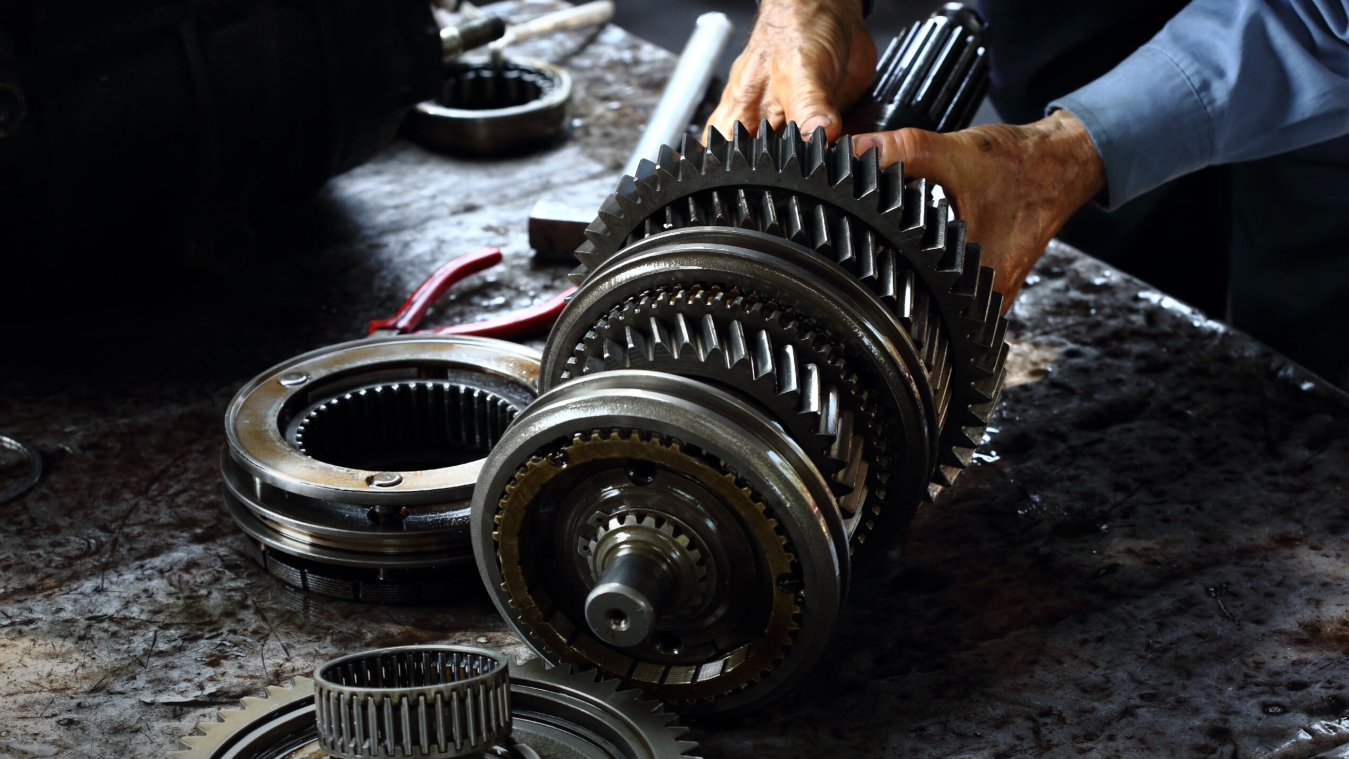
The transmission in your vehicle is responsible for relaying power from the engine to the wheels. Regardless of your drivetrain or the type of transmission your vehicle has, regular transmission maintenance at your Chevy dealer is key to extending the lifespan of your car and maintaining ideal performance. Routine transmission service can prolong the life of your vehicle by protecting the condition of your transmission system. When your transmission is gunked up by old transmission fluid, your transmission is vulnerable to damage from wear and overheating. You can easily extend the life of your Chevy by several thousand miles when you schedule routine transmission service. Additionally, regular transmission service can enhance the fuel economy of your vehicle. This is because a transmission system in good condition can operate more efficiently by reducing transmission friction and allowing for better shifting performance. more What Happens During Transmission Service? Transmission service typically involves inspecting all the components of your transmission system, such as the filters, fluid, gears, transmission pan, and more. During service, old transmission fluid will be drained from your vehicle and replaced with fresh fluid after the transmission pan and filters have been cleaned or replaced. You can generally expect a dedicated transmission service appointment to take about an hour. When Do You Need Transmission Service? Performance issues such as delayed gear shifting are a common sign to schedule transmission service. Whether you have an automatic or manual transmission, delayed or shifting from gear to gear during acceleration or deceleration is a sign that your transmission is in trouble. You may notice unusual sounds when you shift gears or even slipping gears, which can be dangerous on the road. Sometimes, you may notice a transmission fluid leak beneath your car. Transmission fluid has a distinct appearance compared to motor oil or other fluids in your vehicle. Fresh transmission fluid is often pink or red, while old transmission fluid is likely dark brown, dark red, or black. If you notice leaking transmission fluid, you should schedule service right away. How Often Should You Have Transmission Fluid Changed at Your Chevy Dealer? In general, most cars, crossover SUVs, and trucks should have service for new transmission fluid every 60,000 miles or so under normal driving conditions. For some drivers, it may be easier to remember to change transmission fluid every five years. That said, if you are driving your vehicle under extreme weather conditions or your vehicle frequently tows heavy loads, you may need to change your transmission fluid more frequently. The transmission of your vehicle controls the overall acceleration and handling of your vehicle, so it's important to book service as soon as you notice performance issues. Schedule service for your transmission at Bommarito Chevrolet South County in St. Louis, MO.

How to Jump Start Your Chevy in 8 Simple Steps

Image via Shutterstock Jump-starting any vehicle is a straightforward process if done correctly. Here are the steps you need to take to jump start a car, courtesy of your Chevy dealer. more 1. Prepare the Vehicles Park the working vehicle close to your Chevy so that the jumper cables can reach both batteries. Make sure that the cars aren't close enough to touch, as that could potentially cause a short circuit. Both cars should be turned off, with the keys out of the ignition, and the parking brakes engaged. 2. Identify the Battery Terminals Open the hoods of both vehicles and locate their batteries. You need to identify the positive and negative terminals on both batteries. The positive terminal is typically marked with a red cover or a "+" sign, while the negative is marked with a "-" sign. 3. Connect the Jumper Cables Be careful not to let the clips at the end of the cables touch anything, even each other, to avoid sparking. First, attach one of the red clips to the positive terminal of your Chevy's dead battery. Then attach the other red clip to the positive terminal of the working vehicle's battery. Attach one of the black clips to the negative terminal of the working vehicle's battery, then attach the last black clip to an unpainted metal surface on your Chevy, away from the battery. A metal strut that holds the hood open is a good option to safely complete the circuit. 4. Start the Working Vehicle Turn on the working vehicle and let it idle for a few minutes. This will charge your Chevy's dead battery. 5. Try to Start Your Chevy After a few minutes, try starting your car. If it doesn't start, check that the cables are connected properly and wait a few more minutes before you try again. 6. Disconnect the Jumper Cables Once your Chevy starts, disconnect the jumper cables in reverse of the order you attached them. Remove the black clip from your Chevy, then the black clip from the other car, followed by the red clip from the working vehicle, and finally the red clip from your Chevy. 7. Keep the Engine Running Keeping your car running for at least 15 minutes allows the alternator to charge the battery. If you have time, take your car out and drive for 20 to 30 minutes. 8. Visit Your Chevy Dealer If you need to jump start your battery frequently, or if it won't start your car without an obvious reason, it may be time to visit the dealership. Batteries weaken over time, and if you have to jump start your car over and over, it might be time to replace yours. Follow these steps carefully and your car should be running again in no time. Call Bommarito Chevrolet South County in St. Louis, MO, to get your battery checked.

How Often Should Your Chevy Get an Oil Change?

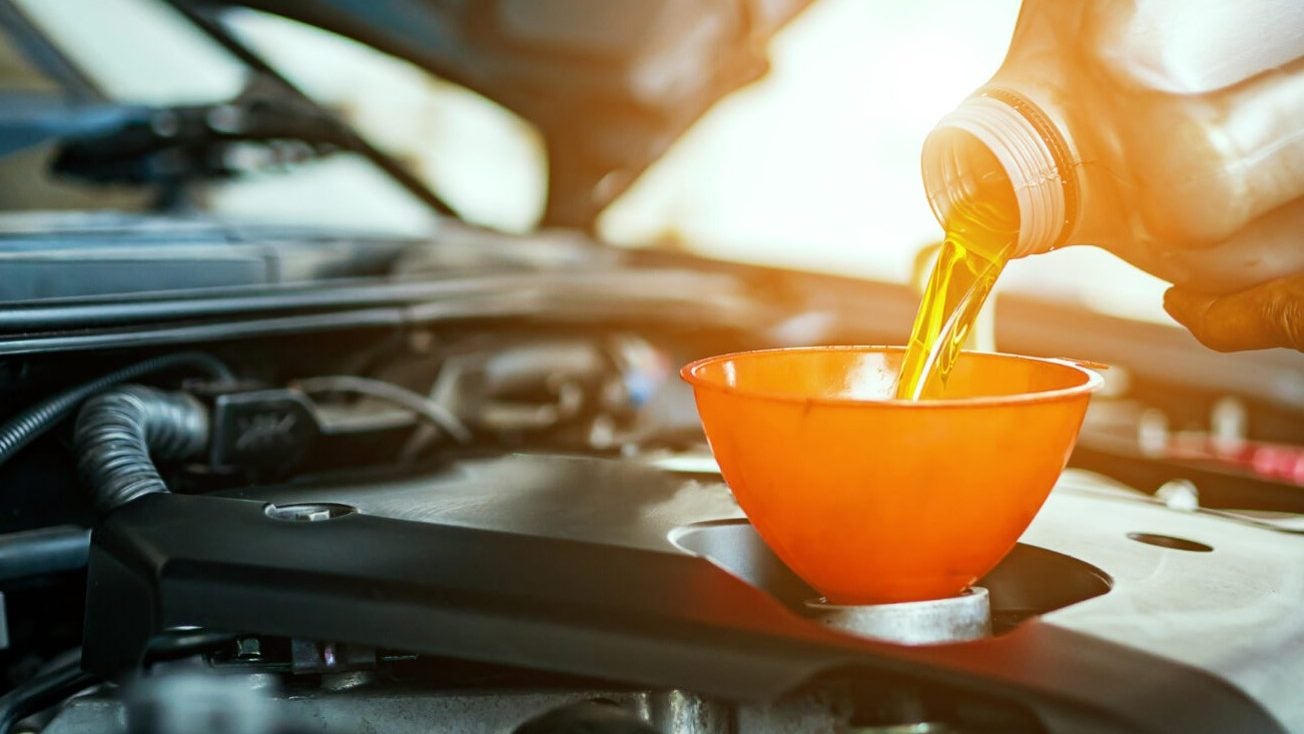
Proper maintenance of your Chevrolet includes regular oil changes. How often you should head to the Chevy dealership for one can vary based on model, year, and how you use your vehicle. more Changing Your Oil on Schedule Newer Chevrolet models, equipped with advanced engines and synthetic oil, can usually go between 5,000 and 7,500 miles before needing fresh oil. No matter how little you drive, though, you should change your oil once a year. Why Oil Matters The oil in your car lubricates the moving parts of your engine, reducing friction and your chances of premature engine wear. As oil ages, it breaks down and becomes less effective at protecting your engine. Old oil accumulates dirt, debris, and particles that can corrode the parts of your engine. Changing your oil regularly helps clean out these contaminants. Neglecting your oil can lead to poor engine performance, reduced fuel efficiency, and ultimately, engine failure. Signs You Need an Oil Change at the Chevy Dealership You've Exceeded the Mileage Limits If you've surpassed the number of miles recommended between changes, it's time to head to the dealership for fresh oil. Dark, Dirty Oil You should check your oil at least once a month. If you pull out the dipstick and your oil looks black and gritty, it's time for a change. Increases in Engine Noise As your oil deteriorates, it provides less lubrication. This can result in more noise coming from your engine. If you hear knocking sounds, that indicates your oil is no longer protecting your engine as it should, and damage is taking place. Oil or Check Engine Light If your oil light comes on, it's definitely time for a change. If the check engine light comes on, old oil should top your list of suspects, but a professional diagnostic test is the only way to be sure what triggered it. Exhaust Smoke Normal exhaust looks like translucent vapor: you should not see smoke coming out of a healthy car. Smoke in your exhaust may be a sign that there is an oil leak. If oil leaks into the engine, it can burn off. Oil Smell Inside Your Car If you smell oil inside your car, that's another sign you may have an oil leak. Leaks can result in oil levels that are too low to protect your car, so you should have it checked out right away. Poor Performance If your Chevy is running roughly, or you've noticed a decrease in fuel efficiency, old or dirty oil could be the cause. Be attentive to the condition of your oil. For best results, change your oil on schedule or when you notice signs of trouble, whichever comes first. Call Bommarito Chevrolet South County to schedule your next oil service.

Contact Us

Fill out this form below and we'll contact you shortly
*Required Fields