




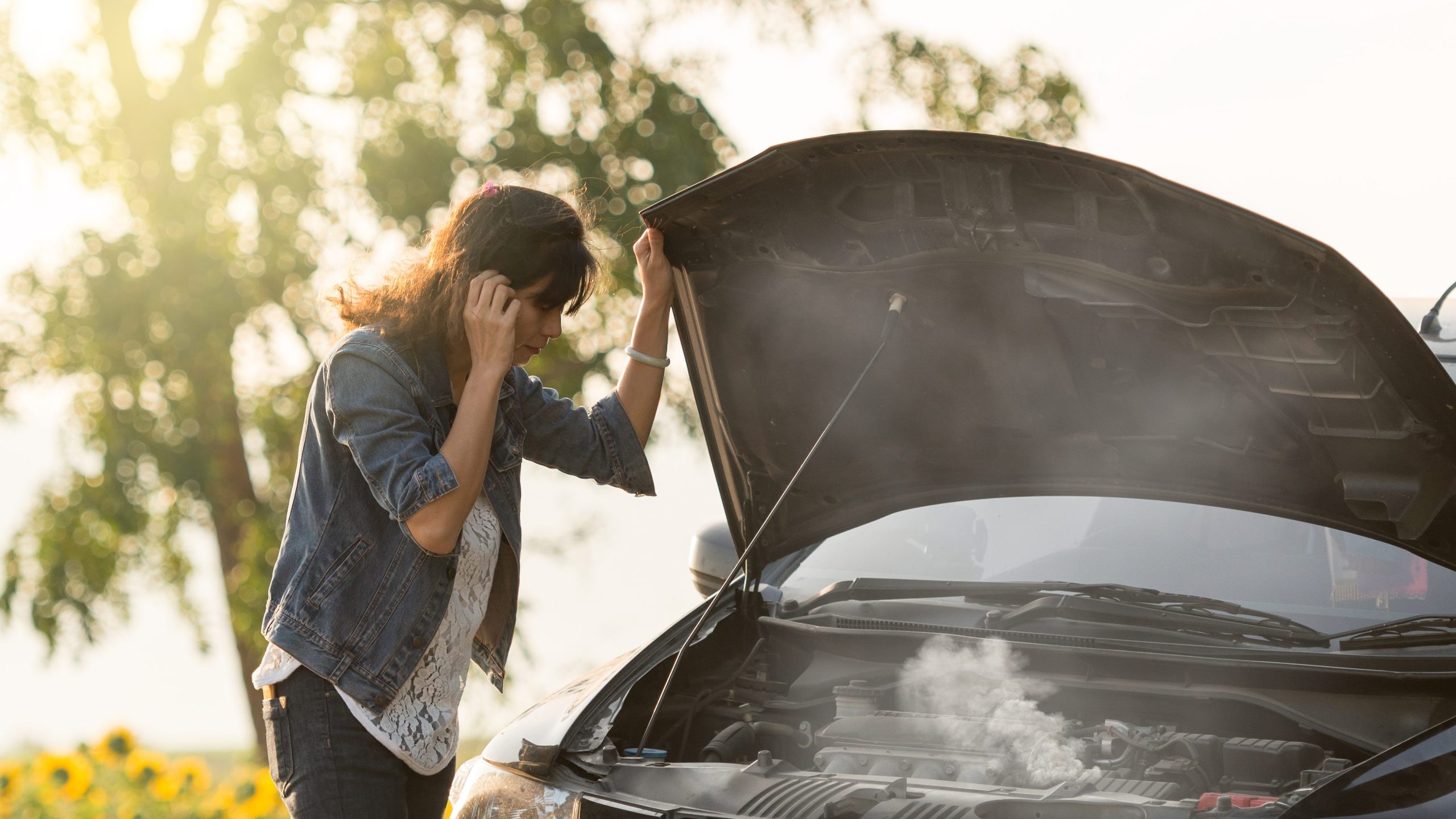
Is your Chevy car overheating? An overheating engine can lead to extensive repairs if left unchecked. Luckily, your local Chevy dealer has factory-trained technicians who can accurately diagnose your vehicle and fix overheating issues.
Radiator Issues
The radiator keeps the engine cool by dissipating heat from the coolant. If the radiator is damaged, clogged with debris, or has a faulty fan, it won’t remove heat from the coolant. The temperature gauge will start to rise, and you may notice steam coming from under the hood. Your dealer will flush the radiator, replace the broken fan, and replace the radiator if it’s damaged.
Low Coolant
Coolant absorbs heat from the engine and keeps the vehicle running optimally. Low coolant levels or coolant leaks reduce the amount of fluid available to cool the engine. This causes the low coolant warning and check engine lights to come on. Your Chevy technician can inspect the cooling system, fix any leaks, and top up the coolant to restore proper cooling to the system.
Defective Water Pump
Your Chevy has a water pump that circulates coolant through the engine to absorb heat. If the pump is broken, coolant flow will be reduced, and the engine will overheat. You may also notice coolant leaks from the pump and a loose drive belt.
The solution is to replace the faulty water pump and inspect the mounting gasket, replacing it if necessary. Your dealer’s technicians have the expertise to accurately diagnose water pump issues. If you need a new pump, they will order and install a factory one for you.
Low Engine Oil
Oil lubricates the mechanical components in the engine and cools them down. Low oil levels reduce this cooling ability, causing the moving parts to grind against one another. The friction that occurs during movement causes the parts to overheat. If you have low oil, the oil warning light will come on, and you may notice visible leaks under the car.
Don’t drive your car with low oil, as lack of lubrication can cause premature wear and tear to engine components. Visit your dealer so they can check the engine for oil leaks, repair damaged components, and top off the oil for optimal engine lubrication.
Thermostat Failure
The thermostat is a valve that controls the flow of coolant to the engine. When the engine is starting, the valve stays closed, and coolant doesn’t circulate. When the engine reaches operating temperature, the valve opens to allow coolant to flow and cool down the components.
If the thermostat fails, it can get stuck in the closed position, restricting coolant flow and causing the engine to overheat. Your dealer’s technicians can test the thermostat for faults and replace it to allow proper coolant flow to the engine.
Don’t panic if you see your Chevy’s temperature gauge start to climb. Contact Bommarito Chevrolet South County to schedule a comprehensive engine diagnosis and repair.
Connect with us


