





Bommarito Chevrolet South County

Blog / St Louis Used Cars

Blog

All St Louis Used Cars St Louis Chevrolet Dealer Chevrolet Models Local Family Fun Local Activities St Louis Chevrolet Service Bommarito Chevrolet South County Service Local Eateries Tips & Tricks History Travel Community Involvement
battery

3 Car Maintenance Tips to Keep Your Chevy in Great Shape for Years

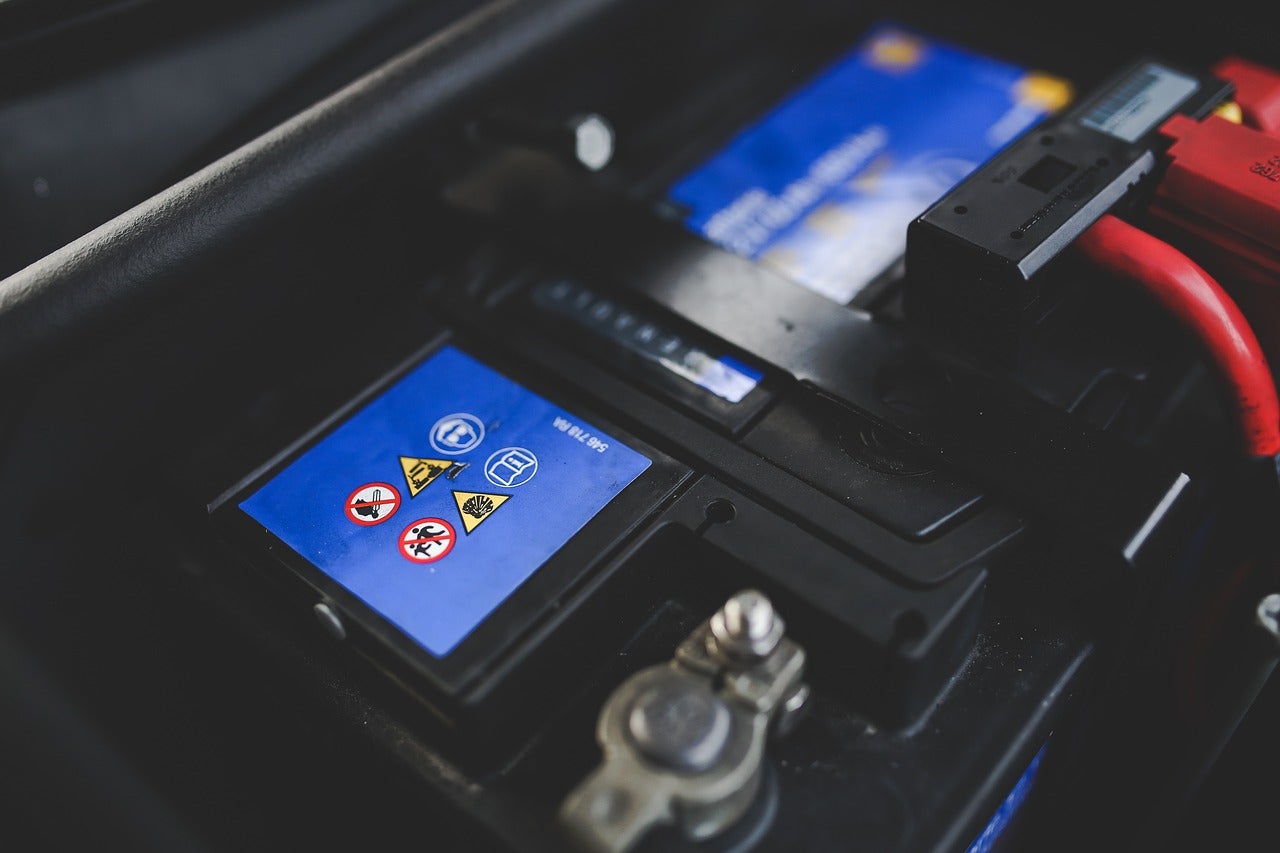
Over time, car components will inevitably wear out due to age and will need replacement. Regular maintenance allows worn parts to be noticed and replaced. In contrast, a lack of maintenance can result in serious damage and hefty repair bills. As your Chevy dealer, we'd like you to know some car maintenance tips that will keep your Chevy in great shape for a long time. From Our Chevy Dealer: 3 Car Maintenance Tips To Keep Your Chevy in Great Shape Check Tire Pressure Regularly Your tires will eventually wear out, but you can prolong your tire life and increase your safety at the same time. Your Chevy tires need to be kept at the right pressure to allow you to drive safely. The correct pressure for your car is marked on a plate on the inside door jam of the front passenger door. You can also find the pressure listed in your car manual. more On average a car tire will lose 1 - 3 PSI each month. This isn't a reason for concern, as the tire pressure inside the tire tries to equalize with the external pressure. Tires that are over or under-inflated make driving dangerous and decrease tire life. An over-inflated tire, for example, is more likely to overheat and blow out. Tires that are maintained at the correct pressure will wear down more slowly. Watch for Leaks Leaks are more likely in a car that isn't regularly serviced. Parts can become worn by heat, pressure, or external damage, and fluids can leak out. Your Chevy has many essential fluids, each of which serves a particular function in the smooth running of your car. Oil, fuel, coolant, brake fluid, AC refrigerant, and transmission fluid are some of your Chevy's most important fluids. Fluid leaks can be caused by worn seals or gaskets, damaged hoses, cracks in a system, or loose components. Each fluid has a different color, and this can make identifying them much easier. If you're concerned that you may leak, you can test this theory by placing a large piece of cardboard underneath your car overnight. If you find any liquid on the card, it's time to visit us to have that leak fixed. Get the Battery Tested The batter provides the essential electrical power used to start your engine. A battery gradually wears out over time due to the breakdown of the chemicals inside it. When this process starts, your battery will slowly lose its ability to recharge and supply a charge. We recommend an annual battery checkup starting when your battery is three years old. Our computerized battery tester will give a full report on your battery's health and possible longevity. This information will allow you to effectively plan for a battery replacement. For more maintenance tips, or to book a service, call us at Bommarito Chevrolet South County.
ignition

Does Your Chevy Have a Faulty Ignition Coil?

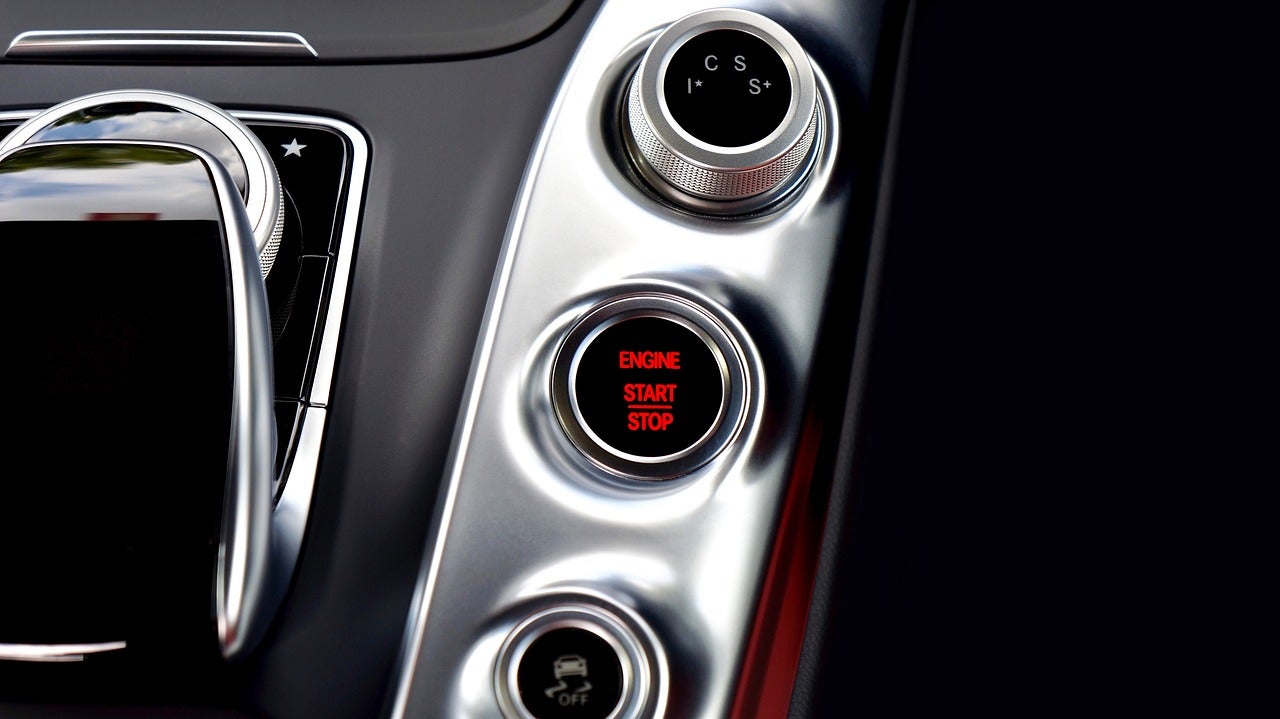
When an engine misfires, we often assume there's a problem with a spark plug, but sometimes the fault lies with an ignition coil that's failing to give the spark plug sufficient electrical voltage. If you suspect a faulty ignition coil, you can visually inspect the coil yourself or have a technician at your nearest Chevy dealer check it for you. Here are five common indications that one or more of your ignition coils is having trouble. Does Your Chevy Have a Faulty Ignition Coil? Engine Misfiring While functioning well, an ignition coil continually transforms the low electrical voltage from the alternator and battery into a far more powerful voltage for the spark plug. If a coil stops working, the spark plug begins misfiring: it can no longer consistently generate the sparks that ignite the fuel and power your car. Misfiring spark plugs make your engine judder and cough, especially when you slow down in traffic or while parking. If the problem is really bad, your car might even stall. more Reduced Acceleration When one or more of your ignition coils stops providing the engine with sufficient electricity, the engine loses power. You'll find that you can no longer accelerate as rapidly as usual, nor maintain as much speed on the highway. Falling Gas Mileage As misfiring engines burn fuel less efficiently, your car won't have as much gas mileage as before. If you're spending more money on gas than you used to, one of your ignition coils might be to blame. Thickening Exhaust Fumes Misfiring causes unburned fuel to build up inside the combustion chambers. This unburned fuel may drip back into the exhaust system, where it can really wreak havoc. If the unburned fuel ignites improperly, such as inside the catalytic converter, it will cause a great deal of damage, and you'll see black smoke thickening your exhaust fumes. Blinking Check Engine Light The various engine problems caused by a faulty coil will soon be detected by your vehicle's sensors. You'll then see the check engine light come to life on your dashboard. Although the check engine light won't specify the source of the problem, a technician will soon work it out. How Your Chevy Dealer Checks a Faulty Coil When an ignition coil malfunctions, the technician needs to determine if it needs to be cleaned or replaced. They'll visually inspect the ignition coil for signs of a burned-out electrode or structural cracks. They'll also use a multimeter to test its conductivity. If an ignition coil is only caked in carbon deposits, it might be cleaned and restored to good working order. Otherwise, it will often need to be replaced. Have the source of your car's engine trouble diagnosed and repaired today at Bommarito Chevrolet South County. We're a local full-service dealership dedicated to providing top-notch customer service, whatever your vehicle-related needs may be.

Contact Us

Fill out this form below and we'll contact you shortly
*Required Fields