




Bommarito Chevrolet South County

Blog / Tips & Tricks

Blog

All Tips & Tricks St Louis Chevrolet Dealer Chevrolet Models Local Family Fun Local Activities St Louis Chevrolet Service Bommarito Chevrolet South County Service Local Eateries History Travel Community Involvement St Louis Used Cars

How to Use Chevy's Mobile Apps to Stay Connected

Image via Chevrolet Given the ubiquitous nature of smartphones, mobile apps are not only a simple and convenient way to connect to others, they're also a practical way to connect to your vehicle. The myChevrolet Mobile App is your gateway to understanding and controlling your Chevy vehicle from wherever you are. Let's dive further into Chevy mobile apps. How to Use Chevy Mobile Apps to Stay Connected How to Set Up myChevrolet Mobile App The first step in controlling your vehicle with your smartphone is to download the myChevrolet Mobile App through the Apple App Store or Google Play Store. You'll then need to create an account. If you set up an account with us when you purchased your vehicle, you can use those login credentials. If you haven't, but you've already registered for an OnStar account, you'll want to use the same email address to seamlessly connect the service to your vehicle. If this is your first time registering for a myChevrolet account, you'll be asked to go through a multi-factor authentication process. Once that is complete, you're in! From the app's home screen, you're given simple access to everything included in your connected services plan. If you have more than one vehicle, you toggle between them by tapping on the Account button and selecting your desired vehicle. This is also where you can add new vehicles if needed. Understanding Remote Commands If your vehicle and service plan support remote commands, you can access them from the app's home screen. Available commands include starting/stopping the engine, locking/unlocking the doors, flashing your lights, activating/disabling the alarm, activating the climate system, and unlocking the liftgate or trunk. To perform any of these functions, find the relevant icon on the home screen or in the Controls tab, press and hold it. Keep holding until the 'Keep Holding' message has disappeared and a 'Sent' message appears. If you've activated the climate system, you can view the temperature status on the home screen. EV Features in Your Mobile App The myChevrolet app supports EV-specific functionality. Your vehicle's battery, charge status, and estimated time remaining can be viewed from the home screen. You can choose to view your charge level as either a percentage or a range value in miles. Your app lets you easily find nearby public charging stations and provides filters for your desired level of charging as well as information such as availability, reviews, and more. Through the Charge-by-App feature, you can remotely start a charging session on a Level 2 or DC Fast Charger. You'll need to have a valid payment method setup within your account in order to use this feature. The myChevrolet Mobile App simplifies access to your Chevy with remote commands, on-demand assistance, and vehicle information, along with additional capabilities for EVs. To get started with this convenient functionality, contact Bommarito Chevrolet South County in Louise, MO.

Understanding Chevy's Blind Spot Monitoring System

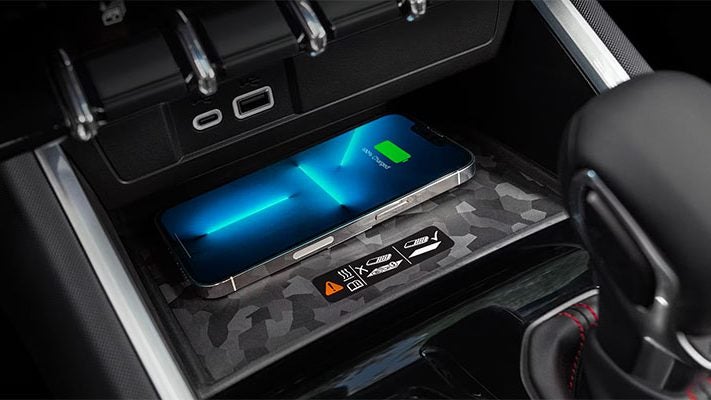
Image via Chevrolet Chevy offers a multiple of standard and available driver-assistance safety features in its line-up of vehicles. One of those is the Chevy blind spot monitoring system, which detects vehicles in your blind zone and alerts you accordingly. Today, we'll provide an overview of how this intelligent system works and keep you informed about Chevy's efforts to enhance safety. What Is the Chevy Blind Spot Monitoring System? This blind spot monitoring system is an available driver assistance feature. It consists of two components that work together: Lane Change Alert and Side Blind Zone Alert. Lane Change Alert notifies you of nearby vehicles that are fast-approaching your blind spot, while Slide Blind Zone Alerts notifies you of vehicles that are currently in your blind spot. They both use hidden sensors located in the rear corner of your vehicle that can detect moving vehicles beside and behind you. When the sensors are activated, a warning symbol will appear on the side view mirror corresponding to the side where the system has detected a vehicle. If you turn your turn signal on, the symbol will flash to indicate that it is not safe to change lanes. These warning symbols are helpful in preventing lane change collisions. What Other Safety Features are Available? There are many other safety features available in Chevy vehicles. A rear camera mirror can be added to your vehicle that provides you with an unobstructed rear view, which can be toggled on and off as needed to use the traditional mirror view. Rear Park Assist helps you to park safely and avoid collisions by providing audible distance alerts to nearby objects behind you. Safety Alert Seat acts on the driver's seat, sending vibration pulses in the direction of potential collisions. This makes you aware of risky scenarios so you can quickly take corrective action. What Comes Standard in Chevy Vehicles? Chevy's suite of six standard driver assistance technologies are included in every vehicle to enhance safety and improve your confidence on the road. Forward Collision Alert and Automatic Emergency Braking work together to detect potential front-end collisions and activate the brakes if needed. Front Pedestrian Braking also activates the brakes if it detects someone ahead of you. Lane Keep Assist keeps you centered in your lane, while Follow Distance Indicator tells you how many seconds lie between your vehicle and the one ahead of you, helping you to decide if you're too close. Finally, IntelliBeam Auto High Beams turns the high beams on and off according to the light conditions. The blind spot monitoring system is an intelligent safety feature offered by Chevy to help prevent lane change collisions. Alongside other standard and available features, you can rest assured your vehicle is helping to keep you safe. To find your ideal Chevy vehicle, contact Bommarito Chevrolet South County in St. Louis, MO.

Chevy Fuel Efficiency Tips: Save Money at the Pump

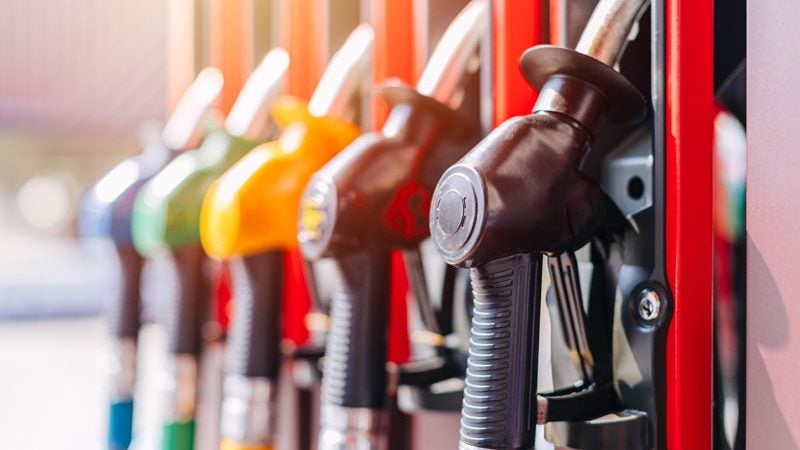
As a driver, fuel can amount to a significant cost each month. Your first good decision was driving a Chevy, which is already a very fuel-efficient vehicle. The following Chevy fuel efficiency tips can save you even more money on your monthly gas expenditure. Chevy Fuel Efficiency Tips: Save Money at the Pump Minimize the Weight of Your Car Every pound of unnecessary weight puts the engine under more strain and burns more fuel. So if your trunk is filled with cargo you rarely or never use, such as tools or sports equipment, consider clearing it out. Think of any other ways you might lighten the load. Perhaps you have unused roof racks, floor mats, manuals, or child seats that could be moved to the house until needed. Avoid Idling When Possible Idling guzzles gas, so it's usually best to turn off the engine when parked. This also reduced wear and tear on the engine. However, it's not always convenient to turn off the engine, such as when temporarily stopped in traffic. A good rule of thumb is to turn it off if you're stopped for more than ten seconds. Accelerate More Sedately Pushing the pedal to the metal is a surefire way to burn through your gas tank quickly. Instead, accelerate gently, taking your time to reach higher speeds. Picture a cup of coffee resting on the dashboard; try to accelerate without spilling it. Don't Drive Unnecessarily Fast In almost all cars, miles per gallon decline significantly once you climb into higher speeds of over 55 mph. Therefore, for the sake of your gas mileage, it's best to stick to the speed limit and stay under 55 mph whenever you can. Keep Your Engine Finely Tuned An efficient, well-kept engine will take you farther for each gallon of gas. Always keep your engine in great shape with routine tune-ups and quick responses to potential faults. Use the best quality motor oil for your particular model and keep it fresh with regular changes. Keep Your Tires Properly Inflated The less resistance from drag that your tires create, the less fuel your engine needs to burn for each mile you travel. Improper inflation can impact gas mileage, so check your tire pressure diligently. Also, rotate your tires often to prevent uneven wear, which can also create additional friction. Use the Air Conditioner Less The AC system in your car uses a small portion of the engine's power to operate. Therefore, if you use your air-con less, you'll save more fuel. However, we know that switching off the AC is easier said than done during summer, which is why this tip comes last on the list. Visit Bommarito Chevrolet South County in St. Louis, MO, today to have your car fine-tuned for maximum gas mileage. We offer friendly customer care and personalized guidance, whatever your automotive needs may be.

Chevy Performance Parts: Enhancing Your Vehicle

Image via Chevrolet Even Chevy's performance can be improved, and the way to do this is by choosing genuine Chevy performance parts. They're designed, engineered, and manufactured by Chevrolet to the same exacting standards as regular parts. Numerous components and systems are available, ranging from complete engines to connecting rods and pistons. Let's look at some of the parts, depending on your model and requirements, you can choose from. Chevy Performance Parts: Taking Performance to the Next Level Crate Engines Want more engine power? A crate engine is the answer. There's a wide range of engines to choose from, depending on whether you want a track-only engine or simply enhanced performance for regular driving. Pick from the engines appropriate for your Chevy model, and you'll receive a complete engine together with all necessary fittings so it's ready to be installed. If you want exceptional strength and durability, a big block 454 is the way to go. If you prefer, a small block engine, like the 383 range, provides enhanced power within a smaller space. The LT engine series supplies Corvette-level performance with its state-of-the-art direct fuel injection. Additional specialized engines, like the racing CT series or the off-road 525 RLB, are also available, depending on your requirements. Transmissions If you're upgrading your engine, you'll need a transmission to handle its power. Automatic transmissions in four-speed, six-speed, eight-speed, and ten-speed are available to choose from. If you prefer a manual option, the high-capacity Super Magnum six-speed is ready and waiting for you. Connect & Cruise You can choose the engine and transmission options you want, depending on your Chevy model, or you can let Chevy do it for you. Cruise & Connect can save you research time as Chevy engineers have combined the perfect engine-transmission packages for you. If you choose this option, you'll receive a complete powertrain consisting of the engine, transmission, engine control unit, transmission control unit, and transmission installation kit. e-Crate e-Crate gives you the option to change your gasoline or diesel-powered Chevy to a fully electric vehicle. It includes a 66 kWh lithium-ion battery pack and a 400-volt electric drive motor that can connect directly to your four-speed automatic transmission. This EV conversion kit provides 400v/200 hp and 266 lb-ft of torque. Suspension Lift Kit Want to increase off-road performance? A suspension lift kit can make even more of the great outdoors available to explore by allowing you to travel the most challenging terrain. Depending on your model, kits may be available for 2WD and 4WD powertrains and include steel leaf springs. There are many more enhancements you can choose from. If you'd like more information or book installation or your chosen parts, contact us today at Bommarito Chevrolet South County in St. Louis, MO.

How to Jump Start Your Chevy in 8 Simple Steps

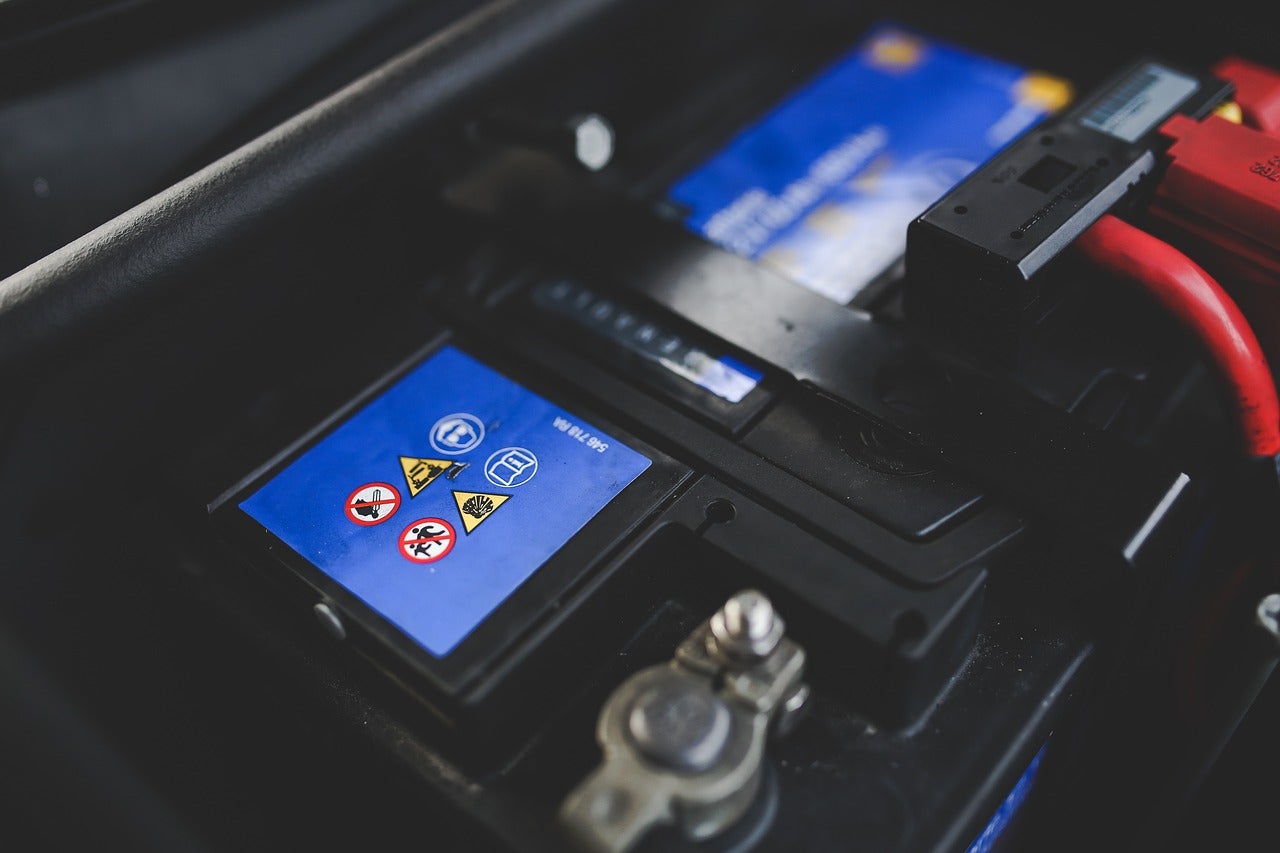
Image via Shutterstock Jump-starting any vehicle is a straightforward process if done correctly. Here are the steps you need to take to jump start a car, courtesy of your Chevy dealer. 1. Prepare the Vehicles Park the working vehicle close to your Chevy so that the jumper cables can reach both batteries. Make sure that the cars aren't close enough to touch, as that could potentially cause a short circuit. Both cars should be turned off, with the keys out of the ignition, and the parking brakes engaged. 2. Identify the Battery Terminals Open the hoods of both vehicles and locate their batteries. You need to identify the positive and negative terminals on both batteries. The positive terminal is typically marked with a red cover or a "+" sign, while the negative is marked with a "-" sign. 3. Connect the Jumper Cables Be careful not to let the clips at the end of the cables touch anything, even each other, to avoid sparking. First, attach one of the red clips to the positive terminal of your Chevy's dead battery. Then attach the other red clip to the positive terminal of the working vehicle's battery. Attach one of the black clips to the negative terminal of the working vehicle's battery, then attach the last black clip to an unpainted metal surface on your Chevy, away from the battery. A metal strut that holds the hood open is a good option to safely complete the circuit. 4. Start the Working Vehicle Turn on the working vehicle and let it idle for a few minutes. This will charge your Chevy's dead battery. 5. Try to Start Your Chevy After a few minutes, try starting your car. If it doesn't start, check that the cables are connected properly and wait a few more minutes before you try again. 6. Disconnect the Jumper Cables Once your Chevy starts, disconnect the jumper cables in reverse of the order you attached them. Remove the black clip from your Chevy, then the black clip from the other car, followed by the red clip from the working vehicle, and finally the red clip from your Chevy. 7. Keep the Engine Running Keeping your car running for at least 15 minutes allows the alternator to charge the battery. If you have time, take your car out and drive for 20 to 30 minutes. 8. Visit Your Chevy Dealer If you need to jump start your battery frequently, or if it won't start your car without an obvious reason, it may be time to visit the dealership. Batteries weaken over time, and if you have to jump start your car over and over, it might be time to replace yours. Follow these steps carefully and your car should be running again in no time. Call Bommarito Chevrolet South County in St. Louis, MO, to get your battery checked.

Should You Buy or Lease Your Next Chevy?

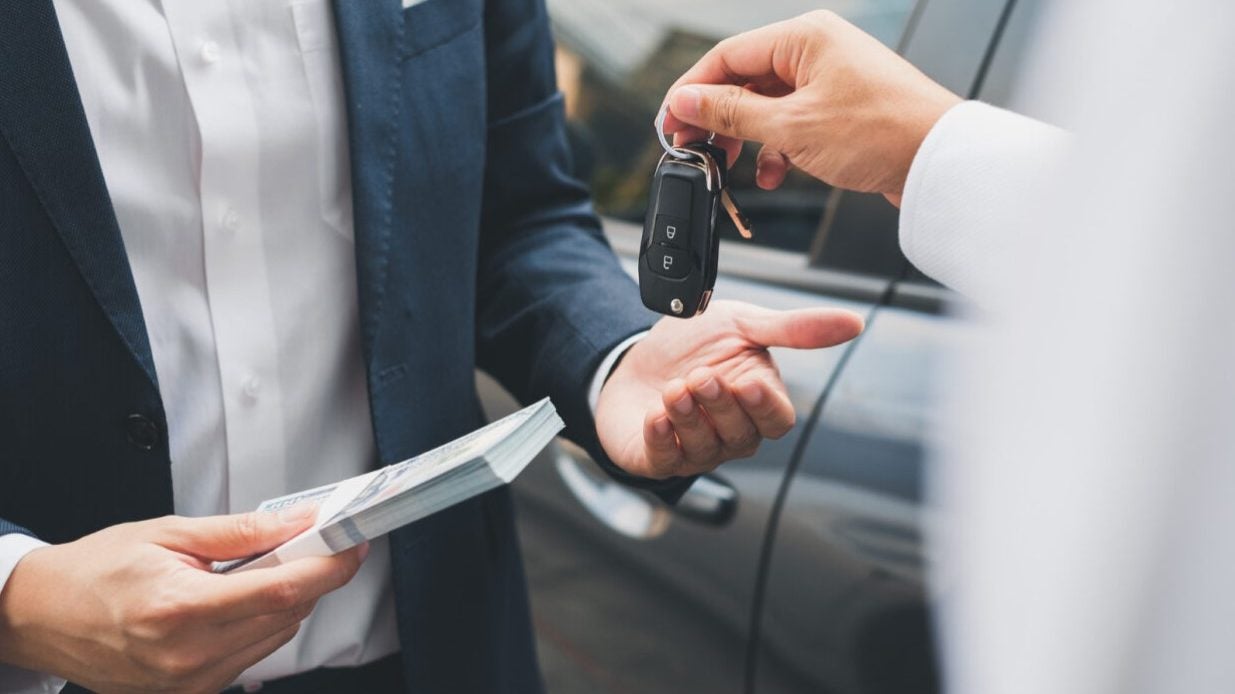
Image via Shutterstock Are you ready to get behind the wheel of a new car? If you aren't sure whether you'll buy or lease when you get to the Chevy dealer, it's smart to research your options. Pros of Buying a Chevy When you buy a car, you own it. You can customize it, drive it as much as you want, and keep it as long as you like. With each payment you make, you'll build equity in your car. You can use this equity as a trade-in or down payment when you're ready to buy a new car. Pros of Leasing a Chevy Lease payments are generally lower than loan payments since you are only paying for depreciation that takes place during the term of your lease. Your leased Chevy will also usually still be under warranty throughout the lease period. That means you don't have to shell out for unexpected repairs. Leasing allows you to drive a new Chevy model every few years. Once your lease is finished, you don't have to try and sell your car. Just return it to the dealership! Cons of Buying a Chevy Buying a car typically means higher monthly payments compared to leasing. You are financing the entire purchase price of the vehicle. Your Chevy will also depreciate over time, reducing its resale value. If you sell it at the wrong time, you could still owe money ​on your loan. As the owner, you have to pay for any repairs or maintenance your car needs once it's out of warranty. While it may not cost much at first, the older your car gets, the more expensive it can be to maintain. Cons of Leasing a Chevy Leasing a Chevy does not mean you own the car. Instead, it remains the property of the dealership. Similar to renting something, you make payments that allow you to use your Chevy for the term of the lease. Once the lease ends, you don't have anything to show for your payments. Instead, you have to return your car to the dealer. A lease also limits how far you are allowed to drive each year and how much wear and tear is considered acceptable. ​Ignore these limits, and you could owe a lot in fees when you return your car. Should You Buy or Lease at the Chevy Dealer? If you prefer full ownership, drive a lot, and want the flexibility to modify your vehicle, buying is more likely to be for you. If you'd rather drive the latest models, prefer lower monthly payments, and want to avoid the hassle of resale, a lease could be your best option. Ultimately, the choice is up to you. Swing by Bommarito Chevrolet South County in St. Louis, MO, and let us help you find the perfect car for your needs.

What to Do If Your Chevy Gets a Flat Tire

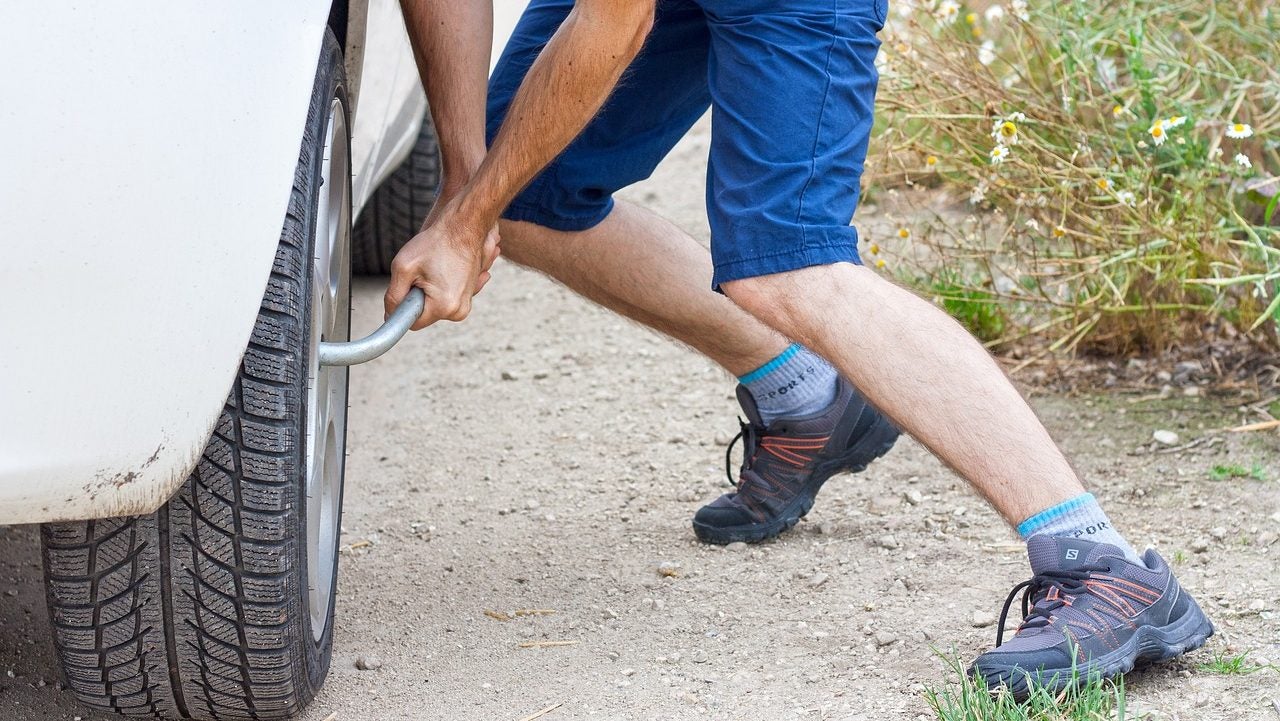
Image via Pixabay So, you're cruising along in your trusty Chevrolet, enjoying a podcast or belting out some classics, when suddenly – thud! Your car feels wobbly, and you know what's happened even before you see the dashboard light up. It's a flat tire. But you don't have to sweat it. With some easy tips from your Chevy dealership, you can go from 'oh no' to 'all fixed' in no time. Safety First, Always! Before we dive into the repair, remember your well-being is the top priority. Once you realize you have a flat, you need to signal, slow down without any sudden braking, and find a safe spot to pull over. Think wide shoulders, parking lots, or side streets. Avoid stopping in the middle of a busy road. Turn on your hazard lights. This alerts other drivers that something's up, especially in low light or foggy conditions. Assemble Your Superhero Toolkit It's always wise to keep a basic tire repair kit in the trunk of your car. This should include a spare tire (also called a "donut"), a jack, and a lug wrench. It might be smart to keep a flashlight and a pair of gloves in there, too. The Great Flat Tire Swap Then it's time to roll up those sleeves and get down to business. Start by slightly loosening each lug nut with the wrench. You're not taking them off yet, just a slight turn will do. Then, position the jack under the car frame near the flat. If you're unsure where to put it, check your Chevy's manual. Raise the car slowly until the tire that's gone flat is off the ground. Now, fully remove those lug nuts and set them aside so that you won't lose them. Slide the flat off. Get your spare tire and align it with the wheel bolts. Then, push it in place. Screw each lug nut back on by hand. They should be snug, but not fully tight just yet. Taking Things Down a Notch Lower your car slowly with the jack until it's back on the ground. Now, using the lug wrench, tighten those lug nuts in a crisscross pattern to apply even pressure. Put all your tools back where they came from, and put the flat in the trunk. You're good to go! Get the Flat Fixed at Your Chevy Dealership Finally, head to the dealership to get your flat repaired or replaced. With help from the professional technicians at your local service center, you and your car will be back on the road quickly. It's never fun when things go wrong, but knowing what to do can turn a potential disaster into a simple pit stop. Remember to periodically check your tires for wear and tear and maintain proper inflation to reduce your chances of tire trouble on the road. If a problem sneaks up on you, give Bommarito Chevrolet South County a call to get back on the road in no time!

battery

3 Car Maintenance Tips to Keep Your Chevy in Great Shape for Years

Over time, car components will inevitably wear out due to age and will need replacement. Regular maintenance allows worn parts to be noticed and replaced. In contrast, a lack of maintenance can result in serious damage and hefty repair bills. As your Chevy dealer, we'd like you to know some car maintenance tips that will keep your Chevy in great shape for a long time. From Our Chevy Dealer: 3 Car Maintenance Tips To Keep Your Chevy in Great Shape Check Tire Pressure Regularly Your tires will eventually wear out, but you can prolong your tire life and increase your safety at the same time. Your Chevy tires need to be kept at the right pressure to allow you to drive safely. The correct pressure for your car is marked on a plate on the inside door jam of the front passenger door. You can also find the pressure listed in your car manual. On average a car tire will lose 1 - 3 PSI each month. This isn't a reason for concern, as the tire pressure inside the tire tries to equalize with the external pressure. Tires that are over or under-inflated make driving dangerous and decrease tire life. An over-inflated tire, for example, is more likely to overheat and blow out. Tires that are maintained at the correct pressure will wear down more slowly. Watch for Leaks Leaks are more likely in a car that isn't regularly serviced. Parts can become worn by heat, pressure, or external damage, and fluids can leak out. Your Chevy has many essential fluids, each of which serves a particular function in the smooth running of your car. Oil, fuel, coolant, brake fluid, AC refrigerant, and transmission fluid are some of your Chevy's most important fluids. Fluid leaks can be caused by worn seals or gaskets, damaged hoses, cracks in a system, or loose components. Each fluid has a different color, and this can make identifying them much easier. If you're concerned that you may leak, you can test this theory by placing a large piece of cardboard underneath your car overnight. If you find any liquid on the card, it's time to visit us to have that leak fixed. Get the Battery Tested The batter provides the essential electrical power used to start your engine. A battery gradually wears out over time due to the breakdown of the chemicals inside it. When this process starts, your battery will slowly lose its ability to recharge and supply a charge. We recommend an annual battery checkup starting when your battery is three years old. Our computerized battery tester will give a full report on your battery's health and possible longevity. This information will allow you to effectively plan for a battery replacement. For more maintenance tips, or to book a service, call us at Bommarito Chevrolet South County.

ignition

Does Your Chevy Have a Faulty Ignition Coil?

When an engine misfires, we often assume there's a problem with a spark plug, but sometimes the fault lies with an ignition coil that's failing to give the spark plug sufficient electrical voltage. If you suspect a faulty ignition coil, you can visually inspect the coil yourself or have a technician at your nearest Chevy dealer check it for you. Here are five common indications that one or more of your ignition coils is having trouble. Does Your Chevy Have a Faulty Ignition Coil? Engine Misfiring While functioning well, an ignition coil continually transforms the low electrical voltage from the alternator and battery into a far more powerful voltage for the spark plug. If a coil stops working, the spark plug begins misfiring: it can no longer consistently generate the sparks that ignite the fuel and power your car. Misfiring spark plugs make your engine judder and cough, especially when you slow down in traffic or while parking. If the problem is really bad, your car might even stall. Reduced Acceleration When one or more of your ignition coils stops providing the engine with sufficient electricity, the engine loses power. You'll find that you can no longer accelerate as rapidly as usual, nor maintain as much speed on the highway. Falling Gas Mileage As misfiring engines burn fuel less efficiently, your car won't have as much gas mileage as before. If you're spending more money on gas than you used to, one of your ignition coils might be to blame. Thickening Exhaust Fumes Misfiring causes unburned fuel to build up inside the combustion chambers. This unburned fuel may drip back into the exhaust system, where it can really wreak havoc. If the unburned fuel ignites improperly, such as inside the catalytic converter, it will cause a great deal of damage, and you'll see black smoke thickening your exhaust fumes. Blinking Check Engine Light The various engine problems caused by a faulty coil will soon be detected by your vehicle's sensors. You'll then see the check engine light come to life on your dashboard. Although the check engine light won't specify the source of the problem, a technician will soon work it out. How Your Chevy Dealer Checks a Faulty Coil When an ignition coil malfunctions, the technician needs to determine if it needs to be cleaned or replaced. They'll visually inspect the ignition coil for signs of a burned-out electrode or structural cracks. They'll also use a multimeter to test its conductivity. If an ignition coil is only caked in carbon deposits, it might be cleaned and restored to good working order. Otherwise, it will often need to be replaced. Have the source of your car's engine trouble diagnosed and repaired today at Bommarito Chevrolet South County. We're a local full-service dealership dedicated to providing top-notch customer service, whatever your vehicle-related needs may be.

wedding

4 Popular Wedding Venues in Driving Distance of St. Louis, MO

Are you dreaming of an unforgettable wedding in stylish, elegant ballrooms with sparkling chandeliers and exquisite cuisine? Then glide in behind the wheel of a zippy Chevrolet Spark or Bolt to find the most popular and sophisticated wedding venues in St. Louis, MO. 4 Popular Wedding Venues in Driving Distance of St. Louis, MO 1. The Coronado The Coronado, an iconic art-deco hotel at 3701 Lindell Boulevard in St. Louis, opened its doors in 1925 and welcomed esteemed guests such as Franklin D. Roosevelt and opera singer Mary Garden. The architecture and the beautiful furnishings create a sophisticated ambiance in the luxurious opulence of the 20s. The ornate ballrooms, with their high ceilings, marble finishings, magnificent chandeliers, and detailed moldings, are the city's most beautiful. The Coronado offers various comprehensive wedding packages and a team of knowledgeable and experienced staff. 2. Marriott St. Louis Grand If you dream of a grand wedding, Marriott St. Louis Grand at 800 Washington Avenue in St. Louis is the ultimate venue to say I do. There are three elegant spaces ideal for sophisticated weddings: the magnificent Crystal Ballroom, with impressive city views; the Statler Ballroom, with two-story columns, vaulted ceilings, and marble floors; and the 2,000 square feet Majestic Ballroom. In addition to the ballrooms, the hotel also has 40 other stylish event rooms. The staff will pull out all the stops, and the culinary team will customize menus to your taste and style. 3. Windows on Washington The unique, one-of-a-kind Windows on Washington at 1601 Washington Avenue in St. Louis is an incredible venue catering to informal and cozy gatherings to glamorous extravaganzas. The trendy, high-end venue has multiple spaces with spectacular city views that can be transformed into any theme a bride desires. There's enough space for 200 guests in the large loft or the open-air veranda. Windows on Washington offers full-service wedding packages, experienced wedding planners, dedicated staff, and exquisite cuisine that can be served plated or buffet-style. 4. The Boo Cat Club The Boo Cat Club at 812 Union Boulevard in Saint Louis is in a historic 1908 building with beautiful architectural details and many antique charms, creating a modern ambiance with a historical twist. At the Boo Cat Club, couples are spoiled for choice. The traditional ballroom has an impressive glass skylight, The Catacombs walls are lined with sophisticated chandeliers, and The Theatre is an elegant space with stylish modern decor. The stunning venue has beautiful marble floors, lounges with fireplaces where guests can mingle, and an event manager and team of professional staff members who will turn your wedding dreams into a reality. Choose a venue with a team of professionals who will help you every step of the way and ensure your wedding day is unforgettable. Before your big day, drop by Bommarito Chevrolet South County to take a closer look at the new 2023 models on display.

Time for New Tires? Visit Your Chevy Dealer Today

Your car tires are the only part of your car in contact with the surface. These four relatively narrow pieces of rubber support the weight of your car and allow you to move. For your safety, and that of your passengers and other drivers, it's vital that your tires are always in good condition. Tires can age, and surface conditions can cause wear and tear. When you need new tires, your Chevy dealer can help you with the best tires for your make and model. Do You Need New Tires From Your Chevy Dealer? Lincoln Penny Test This classic test gives a good indication of the condition of the tread on your tires. Every tire has tread, and these raised sections allow your tires to get a firm grip on the surface. Over time, your tire tread will wear down as the tread is abraded by surface conditions. The thinner your tread becomes, the more difficult it is for your tires to grip the surface. The penny test indicates the depth of your tread. Take a Lincoln penny, then turn it upside down and place it in the thinnest part of your tread. If you can see only part of Lincoln's face, your tread is safe. If you can see the top of Lincoln's head, your tread is less than 2/32", and the tread is very thin. For safety, any tires with a tread that thin should be replaced ASAP. Bulges in the Sidewall Your tires are made from a center steel band with thick nylon supporting bands running vertically through the tread. These bands are then covered in thick rubber and vulcanized to produce a tire. The sidewalls of the tire are the sections of the tire that face outwards. These sections of your tires are made from thinner rubber, as they don't need the reinforcing the tread sections do. This thin rubber of the sidewall can be a problem if they suffer damage. Contact of the sidewall with the curb can pinch the rubber, and this can lead to a bulge forming on the sidewall. A sidewall bulge is dangerous, as it becomes a weakness in the tire. The bulge can give way and cause your tire to blow out. If this happens when you're traveling at speed, it can lead to a serious accident. Driving on a Donut Your spare tire, or donut, is not recommended for long-term use. It's intended to allow you to get to a dealer and fit a regular replacement tire. There's an old saying that a donut is good for 50 or 50. This means the donut should be used for driving for 50 miles or 50 minutes. Donuts tend to be smaller than your regular tires, and they are made from lower-quality rubber. Don't trust your long-term safety to a donut, it will let you down. It's important to replace the donut as soon as you can. If your tires are showing signs of wear, call us ASAP at Bommarito Chevrolet South County.

7 Great Car Safety Features You'll Find on Today's Chevy Vehicles

Chevrolet puts safety first and foremost when designing its cars. You can see this in the incredible level of advanced car safety features in their vehicles, both structural and technological. From the moment you drive away from your Chevy dealer's lot, you're in safe hands. Let's take a look at seven of the best of these features you'll find in your Chevy. 7 Great Car Safety Features You'll Find on Today's Chevy Vehicles Forward Collision Alert A high proportion of road accidents are front-end collisions. To mitigate this risk, your Chevy constantly scans the road ahead and gives you a clear warning if it detects a possibility of collision. This feature adapts to the level of light, just as a driver should. It can also give you a tailgating alert, to let you know if you're following a car a little too closely. Automatic Emergency Braking Human reaction times aren't as quick as those of computers. So if your Chevy warns you of a potential front-end collision and you fail to react in time, the car will react for you. It will brake your vehicle at just the right degree to ensure you don't touch the car ahead. Following Distance Indicator In warm weather months, it's recommended to keep a three-second gap between you and the car in front. During poor weather or winter, this gap should be extended to eight seconds or even ten seconds. To help you judge just the right distance, your Chevy always provides you with the distance between you and the car ahead, measured in seconds, displayed clearly on your dashboard. Front Pedestrian Braking It's not only other vehicles you need to look out for on the road. While driving under 50 mph during the day, your Chevy also scans the road ahead for pedestrians. If it detects a pedestrian on the road, it will warn you and even hard brake if necessary. Keep Lane Assist Even the best of drivers can occasionally become sleepy or distracted while on the highway. When this happens, you're in danger of wandering across lanes. Or you would be if you weren't driving a Chevy.  The Keep Lane Assist feature uses a tiny nudge of the steering wheel to let you know of the danger. High-Strength Steel Frames If an accident were to occur, you're far safer in a Chevy than many other vehicles. Apart from ten standard airbags, each Chevy model has high-strength steel frames to keep the driver and all passengers as protected from harm as possible. OnStar Accident Alert The moment your car has a collision of any sort, the computerized systems in your car will alert OnStar representatives, so they can immediately get in touch with you to see what further assistance you need. If you don't respond, they'll use your GPS to locate you and have emergency vehicles called to your location. Full Features Available at Your Chevy Dealer There are many more safety features available in a Chevy. If you'd like an in-depth tour of everything on offer, it's best to visit your local dealership and have them all shown and demonstrated to you. Visit Bommarito Chevrolet South County today to browse an extensive inventory of excellent Chevy vehicles. Our friendly, helpful staff are all committed to providing the region's very best customer service to everyone who steps foot through our doors.

Contact Us

Fill out this form below and we'll contact you shortly
*Required Fields