




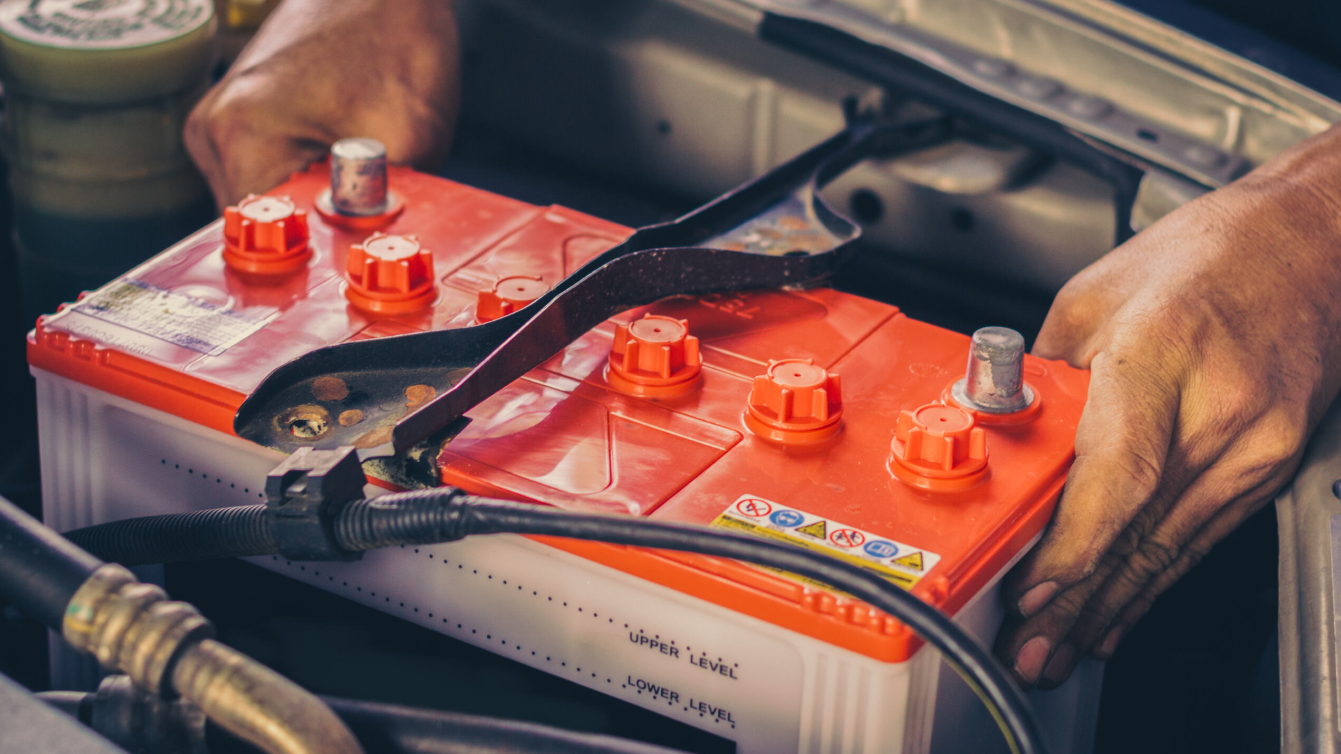
Your Chevy battery will need a replacement battery every three to five years. Battery health can be affected by external conditions and issues with other car systems, and your battery could fail when you least expect it to. As your Chevy dealer, we’d like to give you some tips on how to get the longest use out of your battery.
From Your Chevy Dealer: 3 Tips To Protect Your Chevy Battery
Reduce Small Trips
Frequent short trips of only a few miles can damage your battery’s long-term health. To understand this, we need to look at how a battery recharges. Starting your engine requires a large portion of a battery’s electricity reserves, and this electricity must be replaced. Once your engine is running, a mini generator in your engine called the alternator begins the recharging process.
The alternator recharges the battery at full power for ten minutes and then charges at 10% of battery capacity until the battery’s electricity reserves are replenished. Driving short distances doesn’t allow the alternator sufficient time to recharge the battery, and your battery will gradually weaken and fail. You can prevent this failure by driving for at least two uninterrupted hours per week.
Check Your Battery Connections
The battery is connected to the electrical system by two cables, one attached to the positive terminal and the other to the negative terminal. These connectors are tightly screwed onto the terminals to ensure the battery and supply and receive electricity. As time passes, these cables can slightly loosen and sever the connection between the battery and the rest of the electrical system.
Corrosion can also develop on the terminals or battery connectors over time and block the flow of electricity to and from the battery. If you suspect a problem with your connectors, our expert technicians will examine it for you. We can easily re-tighten the connectors and determine the source of corrosion. If the corrosion is due to the battery, the battery is wearing out and will need replacement.
Beware Extreme Weather
A battery works most efficiently at moderate temperatures. A regular battery contains copper plates, sulfuric acid, an electrolyte solution, and other substances. The electrolyte solution enables the chemical relations that store and supply electricity to take place. Very hot or cold conditions over an extended period can affect the condition of the electrolyte.
Extremely hot conditions will cause the electrolyte solution to boil, and the battery will suffer serious damage as the solution drops. In contrast, extremely cold conditions cause the electrolyte to freeze and expand, and this can damage the battery casing. This damage is more likely if your battery is three or more years old. We can test your battery and advise if it needs to be replaced.
If you’d like more tips on protecting your battery, contact us today at Bommarito Chevrolet South County in St. Louis, MO.
Connect with us


