




Bommarito Chevrolet South County

Blog / St Louis Chevrolet Service

Blog

All St Louis Chevrolet Service St Louis Chevrolet Dealer Chevrolet Models Local Family Fun Local Activities Bommarito Chevrolet South County Service Local Eateries Tips & Tricks History Travel Community Involvement St Louis Used Cars

Does Your Chevy Need a New Car Air Filter?

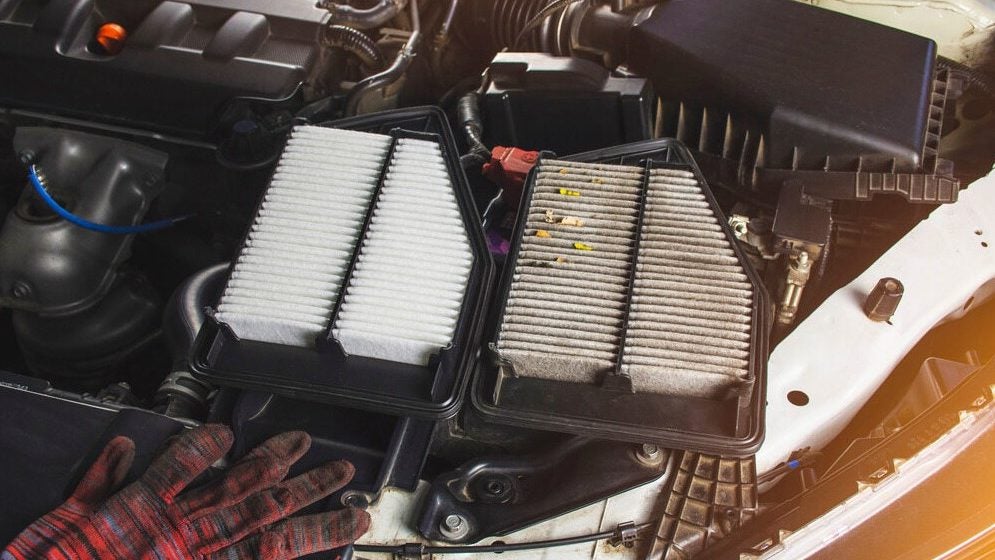
Image via Shutterstock The combustion process inside your car's engine requires a constant inflow of fresh oxygen to mix with the fuel. Your car air filter prevents dust and contaminants from entering the engine, but a clogged air filter can restrict the airflow, which is bad news for the engine. If you notice the following warning signs, you may need to visit your nearest Chevy dealership promptly to have your air filter replaced. more Your Engine Starts Misfiring When the fuel-air mixture inside your engine's combustion chambers gets thrown out of balance by a clogged air filter, an excess of fuel begins to build up. This excess of unburned fuel can foul the spark plugs, causing them to misfire. This will make your car jolt and make strange coughing and sputtering sounds. Misfiring usually becomes more obvious when you slow down or pause with the engine idling. Your Engine Loses Power As the cylinders become oxygen-starved by a clogged air filter, the combustion process worsens and the engine loses power. You may find it harder to accelerate when you need to cross a busy intersection or speed up when coming out of a curve. Your Fuel Efficiency Falls Without sufficient air to mix with the fuel and combust optimally, the car's fuel efficiency will also decline. As a result, you'll find yourself driving fewer and fewer miles on each full tank of gas. Your Engine's Slow To Start An engine with a clogged air filter may also have trouble starting in the morning. As unburned fuel leaves a sooty residue on the spark plugs, the unreliable sparking process struggles to deliver the strong voltage needed to start up the engine. Smoke Pours From Your Tailpipe When an engine starts misfiring, unburned fuel can eventually begin to leak back into the exhaust system. Once there, the fuel can partially ignite as it runs back through the exhaust pipes. This would result in black smoke pouring out from the tailpipe. Your Check Engine Light Turns On The variety of engine problems caused by a clogged air filter will soon be picked up by the car's sensors. You'll then see the check engine light come to life on your dashboard. Your Chevy Dealership Suggests a New Filter During your regular vehicle checkups at your local dealership, the technician will inspect the condition of your air filter. When they notice the filter dirtying to the point where it might soon cause engine problems, they'll recommend installing a new one. Have your car's air filter examined and replaced today at Bommarito Chevrolet South County. We have an extensive inventory of new and pre-owned vehicles and experienced, knowledgeable sales staff and technicians who can help resolve any vehicle-related needs you have.

Is Your Car Overheating? Visit Your Chevy Dealer Today

Image via Shutterstock Is your Chevy car overheating? An overheating engine can lead to extensive repairs if left unchecked. Luckily, your local Chevy dealer has factory-trained technicians who can accurately diagnose your vehicle and fix overheating issues. more Radiator Issues The radiator keeps the engine cool by dissipating heat from the coolant. If the radiator is damaged, clogged with debris, or has a faulty fan, it won't remove heat from the coolant. The temperature gauge will start to rise, and you may notice steam coming from under the hood. Your dealer will flush the radiator, replace the broken fan, and replace the radiator if it's damaged. Low Coolant Coolant absorbs heat from the engine and keeps the vehicle running optimally. Low coolant levels or coolant leaks reduce the amount of fluid available to cool the engine. This causes the low coolant warning and check engine lights to come on. Your Chevy technician can inspect the cooling system, fix any leaks, and top up the coolant to restore proper cooling to the system. Defective Water Pump Your Chevy has a water pump that circulates coolant through the engine to absorb heat. If the pump is broken, coolant flow will be reduced, and the engine will overheat. You may also notice coolant leaks from the pump and a loose drive belt. The solution is to replace the faulty water pump and inspect the mounting gasket, replacing it if necessary. Your dealer's technicians have the expertise to accurately diagnose water pump issues. If you need a new pump, they will order and install a factory one for you. Low Engine Oil Oil lubricates the mechanical components in the engine and cools them down. Low oil levels reduce this cooling ability, causing the moving parts to grind against one another. The friction that occurs during movement causes the parts to overheat. If you have low oil, the oil warning light will come on, and you may notice visible leaks under the car. Don't drive your car with low oil, as lack of lubrication can cause premature wear and tear to engine components. Visit your dealer so they can check the engine for oil leaks, repair damaged components, and top off the oil for optimal engine lubrication. Thermostat Failure The thermostat is a valve that controls the flow of coolant to the engine. When the engine is starting, the valve stays closed, and coolant doesn't circulate. When the engine reaches operating temperature, the valve opens to allow coolant to flow and cool down the components. If the thermostat fails, it can get stuck in the closed position, restricting coolant flow and causing the engine to overheat. Your dealer's technicians can test the thermostat for faults and replace it to allow proper coolant flow to the engine. Don't panic if you see your Chevy's temperature gauge start to climb. Contact Bommarito Chevrolet South County to schedule a comprehensive engine diagnosis and repair.

5 Electrical Problems You Should Always Fix at Your Chevy Dealer

Like any other system, your Chevy's electrical system can experience glitches, prompting immediate repairs. When electrical problems happen, you definitely want the right technicians on the case. Let's look at the critical electrical issues that demand the expertise of your local Chevy dealer. 5 Electrical Problems You Should Always Fix at Your Chevy Dealer 1. Battery and Charging System Malfunctions If your Chevy has dimming headlights, a sluggish engine crank, or a battery warning light on the dashboard, you could be looking at a potential malfunction of the battery or charging system. Without the right tools and expertise, you won't be able to accurately diagnose and fix your vehicle. Chevrolet dealers have advanced diagnostic tools that can swiftly assess the health of your battery and charging system. The fast and accurate diagnostic process promotes faster and more efficient repairs. This not only prevents unexpected vehicle breakdowns, but also protects other sensitive electrical components from damage. 2. Faulty Alternator The alternator plays a key role in keeping the electrical system functional. A failing alternator usually leads to a drained battery, dimmed lights, and a compromised driving experience. These issues could spell trouble, especially when driving at night or in adverse weather. The skilled technicians at your local dealership are experienced in spotting alternator problems. Dealers only use OEM parts for all their repair work to ensure compliance with the brand's standards. So if you need a new alternator, your dealer will order an original one from Chevrolet and install it for you. more 3. Malfunctioning Ignition System A healthy ignition system promotes a smooth engine start and uninterrupted operation. If you are experiencing problems, like engine misfires, difficulty starting, or unexpected stalling, your Chevy likely has a faulty ignition system. The certified technicians at the dealership will inspect the ignition system, including the spark plugs and ignition coils, to identify the underlying faults. They will swiftly repair the damaged components to restore your engine's performance. 4. Electrical Wiring and Circuit Issues Beneath your Chevy's interior lies a series of intricate electrical wiring and circuits. If the wiring is faulty, you may notice issues such as flickering lights, electrical shorts, a burning smell, and erratic performance of the electrical components. Visit your Chevrolet dealership if you suspect your car has faulty wiring. The technicians have the right equipment to trace and fix wiring and circuit faults accurately. Their precise artistry will restore your electrical wiring and prevent system-wide failures in your vehicle. 5. Sensor and Computer Problems Your Chevy's computer system controls various aspects of the car's performance and safety. If your car is experiencing sensor issues or computer glitches, don't attempt DIY repairs, as you could end up compromising the reliability of your safety systems. Instead, trust the experts to diagnose and fix the problem for you. If your Chevy has these electrical issues, don't go to an inexperienced mechanic or attempt DIY repairs. Opt for the proven expertise of a Chevrolet dealership to restore your car's critical systems. Contact us today at Bommarito Chevrolet South County to schedule repairs.

battery

3 Car Maintenance Tips to Keep Your Chevy in Great Shape for Years

Over time, car components will inevitably wear out due to age and will need replacement. Regular maintenance allows worn parts to be noticed and replaced. In contrast, a lack of maintenance can result in serious damage and hefty repair bills. As your Chevy dealer, we'd like you to know some car maintenance tips that will keep your Chevy in great shape for a long time. From Our Chevy Dealer: 3 Car Maintenance Tips To Keep Your Chevy in Great Shape Check Tire Pressure Regularly Your tires will eventually wear out, but you can prolong your tire life and increase your safety at the same time. Your Chevy tires need to be kept at the right pressure to allow you to drive safely. The correct pressure for your car is marked on a plate on the inside door jam of the front passenger door. You can also find the pressure listed in your car manual. more On average a car tire will lose 1 - 3 PSI each month. This isn't a reason for concern, as the tire pressure inside the tire tries to equalize with the external pressure. Tires that are over or under-inflated make driving dangerous and decrease tire life. An over-inflated tire, for example, is more likely to overheat and blow out. Tires that are maintained at the correct pressure will wear down more slowly. Watch for Leaks Leaks are more likely in a car that isn't regularly serviced. Parts can become worn by heat, pressure, or external damage, and fluids can leak out. Your Chevy has many essential fluids, each of which serves a particular function in the smooth running of your car. Oil, fuel, coolant, brake fluid, AC refrigerant, and transmission fluid are some of your Chevy's most important fluids. Fluid leaks can be caused by worn seals or gaskets, damaged hoses, cracks in a system, or loose components. Each fluid has a different color, and this can make identifying them much easier. If you're concerned that you may leak, you can test this theory by placing a large piece of cardboard underneath your car overnight. If you find any liquid on the card, it's time to visit us to have that leak fixed. Get the Battery Tested The batter provides the essential electrical power used to start your engine. A battery gradually wears out over time due to the breakdown of the chemicals inside it. When this process starts, your battery will slowly lose its ability to recharge and supply a charge. We recommend an annual battery checkup starting when your battery is three years old. Our computerized battery tester will give a full report on your battery's health and possible longevity. This information will allow you to effectively plan for a battery replacement. For more maintenance tips, or to book a service, call us at Bommarito Chevrolet South County.

ignition

Does Your Chevy Have a Faulty Ignition Coil?

When an engine misfires, we often assume there's a problem with a spark plug, but sometimes the fault lies with an ignition coil that's failing to give the spark plug sufficient electrical voltage. If you suspect a faulty ignition coil, you can visually inspect the coil yourself or have a technician at your nearest Chevy dealer check it for you. Here are five common indications that one or more of your ignition coils is having trouble. Does Your Chevy Have a Faulty Ignition Coil? Engine Misfiring While functioning well, an ignition coil continually transforms the low electrical voltage from the alternator and battery into a far more powerful voltage for the spark plug. If a coil stops working, the spark plug begins misfiring: it can no longer consistently generate the sparks that ignite the fuel and power your car. Misfiring spark plugs make your engine judder and cough, especially when you slow down in traffic or while parking. If the problem is really bad, your car might even stall. more Reduced Acceleration When one or more of your ignition coils stops providing the engine with sufficient electricity, the engine loses power. You'll find that you can no longer accelerate as rapidly as usual, nor maintain as much speed on the highway. Falling Gas Mileage As misfiring engines burn fuel less efficiently, your car won't have as much gas mileage as before. If you're spending more money on gas than you used to, one of your ignition coils might be to blame. Thickening Exhaust Fumes Misfiring causes unburned fuel to build up inside the combustion chambers. This unburned fuel may drip back into the exhaust system, where it can really wreak havoc. If the unburned fuel ignites improperly, such as inside the catalytic converter, it will cause a great deal of damage, and you'll see black smoke thickening your exhaust fumes. Blinking Check Engine Light The various engine problems caused by a faulty coil will soon be detected by your vehicle's sensors. You'll then see the check engine light come to life on your dashboard. Although the check engine light won't specify the source of the problem, a technician will soon work it out. How Your Chevy Dealer Checks a Faulty Coil When an ignition coil malfunctions, the technician needs to determine if it needs to be cleaned or replaced. They'll visually inspect the ignition coil for signs of a burned-out electrode or structural cracks. They'll also use a multimeter to test its conductivity. If an ignition coil is only caked in carbon deposits, it might be cleaned and restored to good working order. Otherwise, it will often need to be replaced. Have the source of your car's engine trouble diagnosed and repaired today at Bommarito Chevrolet South County. We're a local full-service dealership dedicated to providing top-notch customer service, whatever your vehicle-related needs may be.

mechanic

How to Find a Quality Collision Repair for Your Chevy

Collision repair doesn't only deal with vehicle accidents it covers a wide variety of repairs to your car. Windshield replacement, dent removal, and chipped paint are just some of the body repair services your Chevy dealer can offer. If your car has been damaged and you need a repair, we'd like to tell you a few reasons why we're the best choice for your perfect repair. How Your Chevy Dealer Can Provide a Quality Collision Repair for You Expert Technicians All of our technicians are highly trained. When a technician joins us, they go for advanced training at the Chevrolet factory. This extensive training course familiarizes each technician with the full range of Chevrolet vehicles. Training is an ongoing process, and our technicians regularly attend courses on new features, technology, and new additions to our vehicle range. In addition, our technicians work daily on repairs and maintenance to Chevrolet vehicles. This combination of theoretical training and practical experience makes our technicians experts at repairing any damage to your Chevy. Their practical knowledge of different models also helps to speed up the repair process and to notice and repair any potential issues before they become a problem. more Genuine Parts We only use genuine parts from Chevrolet. The reason for this is they're the best parts available for your car. These parts were specifically designed for your model. These parts are manufactured in the same factories that built the original parts for your car. Every part designed and built by Chevrolet undergoes rigorous testing and must meet the highest standards of quality and safety. Generic parts are available, but we will never use them. These parts are designed by various manufacturers and are not specifically intended for your car. Since we don't know anything about the standards of production or safety of these types of parts, they pose a potential risk. Parts that are not designed for your car can lead to problems from incorrect fit to a reduced lifespan or even part failure. Peace of Mind We stand behind our work and provide a warranty on all our repairs. In addition, genuine Chevrolet parts also carry a warranty due to their quality and high standards. These warranties provide you with peace of mind that your repair meets the highest possible standards. We never cut corners in any repair, as we're dedicated to providing you with the perfect repair. To ensure this, we assign as many technicians as necessary to ensure your repair is completed correctly and by the arranged time. When you drive away from our service department, you do so with the knowledge that your repair was performed by experts using the best available parts. If your Chevy has been damaged, call us today at Bommarito Chevrolet South County.

mechanics-424130_960_720

Does Your Chevy Need a New Catalytic Converter?

One of the most critical components in your vehicle is the catalytic converter, which works to reduce harmful emissions by converting dangerous gasses into clean non-harmful emissions, which is essential in reducing pollution. There are vital signs that indicate your converter requires replacement, which can be assessed at your local Chevy dealer by a certified technician. Does Your Chevy Need a New Catalytic Converter from Your Chevy Dealer? Check Engine Light If the check engine light illuminates for several reasons, including a failing converter. This light will appear when the exhaust gases are not properly catalyzed because the air-fuel ratio and oxygen sensors monitor how effectively the converter functions. These gas levels in the exhaust are also monitored, which often results in seeing the check engine light. Inefficient Engine Performance Your vehicle's converter has an impact on how the engine functions because it's installed inside the car's exhaust system. When the exhaust flow is restricted because the converter becomes clogged or blocked with debris, this will decrease your car's acceleration, fuel economy, and power. Your engine's performance will also decline when the converter is broken or the interior is damaged or cracked, which causes leaks. more Strong Odor from the Exhaust Fumes If you notice a strong odor or rotten smell coming from the exhaust, the converter is likely the cause. This strong scent occurs when the emissions are not correctly converted from sulfur into sulfur dioxide, an odorless gas. When this process isn't working correctly, you'll notice the pungent smell of sulfur, which is usually due to a clogged converter or the interior mesh being broken or corroded, which interferes with producing clean emissions. Failed Emissions Test When your vehicle fails an emissions test, this is a sign that your converter isn't working and may also indicate that your car's muffler or exhaust system needs repair or replacement. For this reason, it's essential to schedule regular checkups for your vehicle, to ensure that the exhaust and converter's filtration is working effectively so that you avoid the risk of failing an emissions test or having to replace a converter, which can be costly. Rattling Noises If you notice rattling sounds as you drive, this is often debris stuck inside the converter or broken pieces of the mesh inside. This often happens following an unexpected collision or damage to the honeycomb structure inside the converter, which impacts the device's ability to filter harmful gasses into odorless emissions. When you visit your local Chevrolet dealership, you'll find everything you need to keep your converter in excellent working condition. Visit us at Bommarito Chevrolet South County and see what we have to offer you from our fantastic inventory of new and pre-owned vehicles today.

car-1564300_960_720

Does Your Chevy Need a New Car Battery?

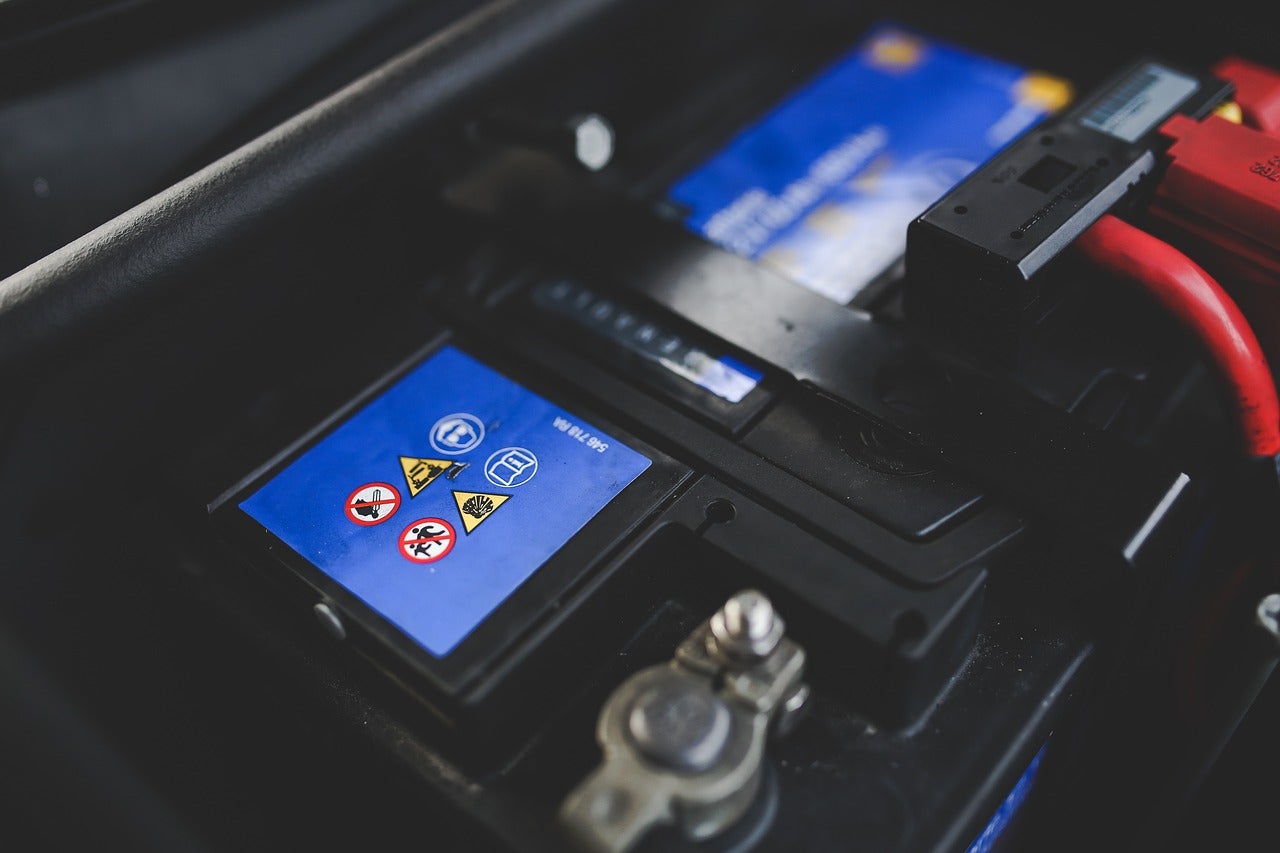
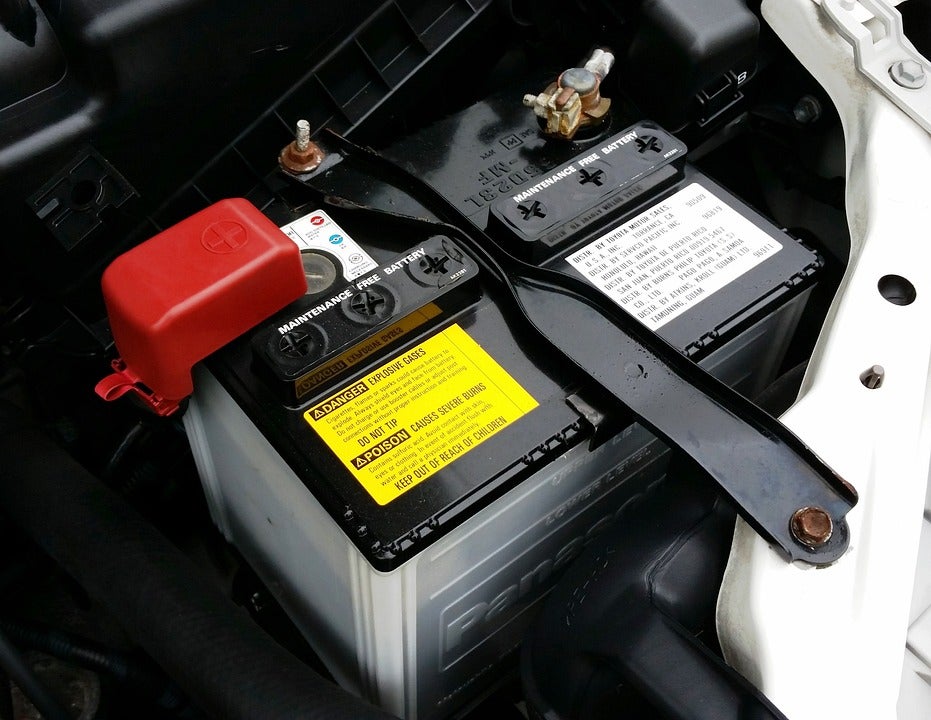
Your car battery helps start your engine and keep it going by sending electrical impulses to the starter and spark plugs. It powers your headlamps, GPS, dashboard, stereo, air conditioner, and wipers. It also acts as a surge protector for the advanced computer systems in every modern Chevy. If your battery dies, you'll have all kinds of car trouble, so let's take a look at five signs you should visit your local Chevy dealer for a new car battery. Does Your Chevy Need a New Car Battery? Your Engine Won't Start If your battery's out of power, you won't be able to start your engine. The easiest way out of this pickle is with a jump start. When the engine gets going, the alternator will take over, keeping the battery charged. But if you find this problem occurring often, then your battery might be on its last legs. You'll need to buy a new one. You're Idling Roughly A Chevy's engine should purr happily away when in idle. If your engine starts sputtering and struggling when idling, one reason might be a dying battery. This is because a failing battery needs to draw more heavily on the alternator and engine for power. At the same time, it sends a less consistent flow of power to the spark plugs. Your Headlights Are Faltering Dimming headlights might be due to problems with the bulbs, wiring, or battery. If only one headlight is failing, then it's most likely the bulb or wiring. Swap out the bulb or test it with a multimeter to see if that's the case. more Your Electronics Fail If you notice persistent trouble with any of your electronics, your battery might be at fault. Two or more electronics faltering at the same time almost certainly point to your battery. Your Battery Is Warped, Cracked, Corroded, or Leaking At any indication of battery trouble, pop your hood to examine the battery itself. If the casing is warped or cracked, you'll need to replace it. Also, if you notice any leaking battery acid or corrosion on the metallic parts, then that battery needs to go. Faulty Battery vs Faulty Alternator When a battery has problems, sometimes the alternator is to blame. The alternator converts mechanical energy from the engine into electrical power to keep your battery charged. So if the alternator is working well, a car can keep going, even if the battery is failing, because the engine keeps electrical power flowing through the alternator. However, if the alternator fails, the car will quickly stall as your battery cannot recharge. When stalled, to test if the problem lies with your alternator or battery, jump start the car. If it keeps going, your battery was likely to blame. If it stalls again shortly thereafter, the alternator is at fault. Ask Your Chevy Dealer to Check The easiest way to know for sure is to ask a technician at your local dealership to check both your battery and your alternator. They can run various tests and also use specialist tools to diagnose the problem. Have a friendly, experienced professional inspect your battery today at Bommarito Chevrolet South County. We're a trusted local dealership dedicated to providing the region's Chevy drivers with the very best in vehicles, servicing, and financing.

3 Benefits of Getting a Tire Rotation for Your Chevy

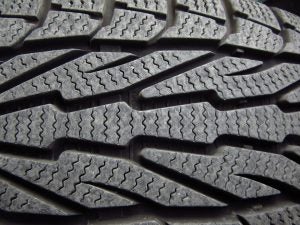
Tire rotation provides many benefits for your Ford. It's a simple and effective way to save money, reduce wear and tear, and keep your Chevy running optimally. As your Chevy dealer, we'd like to tell you more about some of the benefits of rotating your tires. 3 Benefits of Getting a Tire Rotation at Your Chevy Dealer Your Tires Will Last Longer Your tires are subject to wear and abrasion as you drive. There's no way to prevent this, but rotating your tires can prevent unnecessary wear and prolong tire life. The position of your tires and the type of transmission in your car both influence tire wear. A front-wheel drive (FWD) transmission, for example, demonstrates greater wear on the front tires than the rear tires. When we rotate your tires, we move them to equalize wear. Some positions are subject to increased wear, as we saw above. We swap your tire positions, which replace worn tires with fresh ones. This process allows your tires to wear down more evenly and consistently. This increases your tire's life and allows you to plan their replacement. more You Reduce Wear on Other Systems Worn tires place additional strain on numerous other systems. Your braking system, axles, and even your engine have to work harder than they should to compensate for the worn tires. Thinner tread, for example, places extra strain on your brakes as they need more effort to slow and stop your car. Your axles have to cope with unbalanced tires, and this can lead to future problems. Rotating your tires changes this. If we rotate the tires on an FWD car, the new front tires will function more efficiently due to the lack of wear. In this case, your brakes will continue to operate efficiently, and your axles aren't subject to additional strain. When you reduce potential damage to car components, you save money that would otherwise be spent on future repairs. Your Engine Performance Improves You chose your Chevy for many reasons, and one of these is its excellent engine performance. Worn tires, unfortunately, seriously reduce engine performance. Worn tires will generate additional friction with the surface and require more energy to move. Healthy tires, in contrast, reduce friction with the road surface and allow your brakes to work easier and efficiently. These smoother operations decrease the energy your engine needs to move your car. Improved engine performance directly translates into savings at the pump. An efficient engine uses less gas, which means fewer wasted trips to the gas station. There are many other benefits and cost savings to rotating your tires. Call our service department at Bommarito Chevrolet South County and arrange that rotation today. You can relax while our Chevy-trained technicians rotate your tires.

3 Engine Problems You Should Always Fix at Your Chevy Dealer

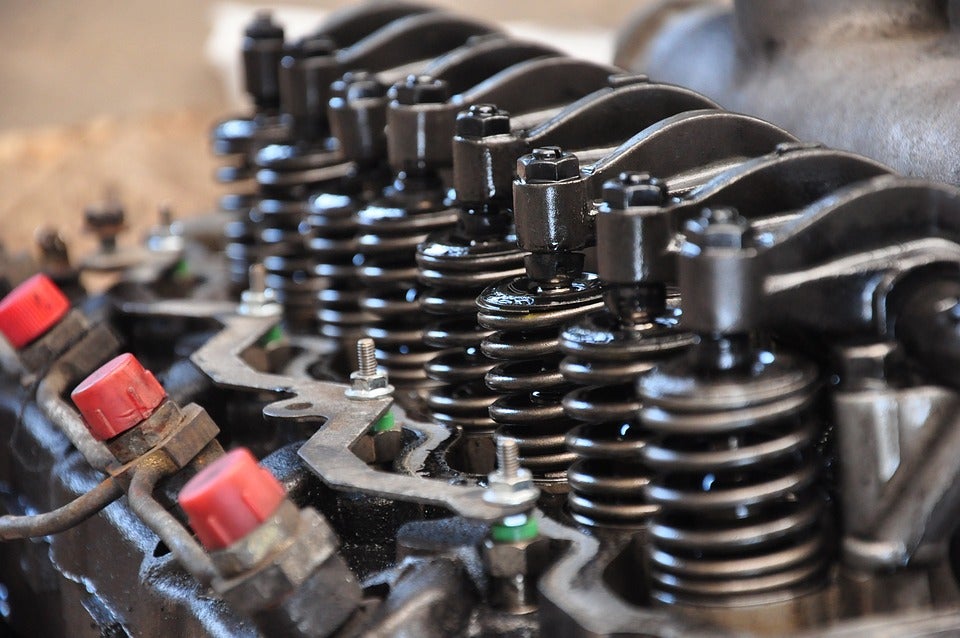
Engine problems have a wide variety of causes, and they also vary from minor to potentially major. If your Chevy is showing signs of trouble, your friendly Chevy dealer in St. Louis, MO has technicians and parts to fix them for you. These are some of the problems your dealer can fix for you. 3 Engine Problems You Should Always Fix at Your Chevy Dealer Acceleration Problems One of the reasons you chose your Chevy is its high-performance engine. When you hit the gas, you expect your Chevy to leap forward. If you're finding your engine seems to struggle to perform, you have an engine problem. Acceleration problems can have a variety of causes. Our technicians will need to examine your engine to determine the problem. A blocked fuel filter, a bad oxygen sensor, timing chain problems, or a clogged mass flow sensor can all cause your engine to struggle. The problem could also be caused by errors in your car's computer. We'll connect your Chevy to our diagnostic system to determine the cause, and then we'll repair it. more Poor Compression Compression depends on a precise mix of air and fuel. Your engine requires 14x more air than fuel for the perfect compression ratio. Fuel and air will mix in the intake manifold, and then the mix is injected into the cylinders. Once the mix is inside, it's highly compressed before being ignited by your spark plugs. This process is continually repeated and provides the energy to move your car. Low compression makes your engine inefficient and can, in the long term, lead to damaged cylinders, pistons, and spark plugs. Low compression can be caused by a high fuel-to-air ratio, damaged spark plugs, or even a leak in the cylinders. Our experts will test your engine to identify the source of the problem. Leaking Radiator Your engine temperature will naturally rise due to the heat of constantly moving parts and combustion. Your Chevy has an excellent cooling system to keep this heat under control. When the engine temperature goes up, coolant flows through the system and absorbs the heat. The coolant then transfers the heat to the radiator, where it's removed by heat exchange. Your radiator is designed to operate under pressurized conditions and at high temperatures for long periods. Eventually, these extreme conditions will take their toll, and cracks can appear in the radiator casing. The heat will cause these cracks to widen, and coolant can leak out. A coolant leak will lead to a spike in your engine temperature. We'll check your radiator and repair or replace it to fix this issue. If you're experiencing problems with your engine, visit our service department today at Bommarito Chevrolet South County.

4 Signs It's Time to Change Your Chevy's Brake Pads

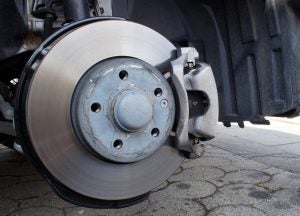
When you're driving down the road, you need to feel confident that your brakes will work when you need them. Proper maintenance, including replacing your brake pads as needed, can help you rest assured your car will stop safely. But how will you know it's time for this important service? Here are 4 signs from your local Chevy dealer that it's time to change those pads. Tips From Your Chevy Dealer: 4 Signs It's Time To Change Your Chevy's Brake Pads 1. Screeching, Squealing, or Grinding If you regularly hear a high-pitched screeching or squealing sound when you brake, that's a good sign you should bring your vehicle in to have the pads on the brakes inspected. This is because many brake pads are made with a metal wear indicator that is designed to make this sound when your pads are getting worn out. When you hear this sound regularly, it's time to bring your car in for service. A deeper grinding or metallic sound is even more serious. If you're hearing this, it means your pads are not just wearing thin, but totally worn away so that your brakes are touching the discs when you stop. This is unsafe and can also seriously damage your brakes, so bring your car in immediately if you hear grinding when you brake. 2. Indicator Light Your vehicle may come with a low-pad warning system. Your owner's manual should let you know if your vehicle has this system, which will illuminate an indicator light on your dashboard if the pads get too worn. As with any indicator light, take your car in for service so that a professional can inspect and maintain your brakes and also reset the indicator light. more 3. Pad Thickness Some DIY-focused drivers may want to visually examine the pad. If you do this, measure the thickness of the pad where it is compressed against the rotor. It should not be less than 1/4 inch, or around 7 millimeters, thick. If the pad has worn thinner than this, it's time for a replacement. 4. Shaking Brake Pedal If you feel your brake pedal shaking or vibrating when you press down on it, that is a sign that the pads on your brakes have worn out. If you feel your brake pedal vibrating, don't wait to have your car serviced. Continuing to drive on brakes with pads that have worn thin is dangerous and can cause expensive damage to your brakes. If you experience these signs, don't wait. Have your pads inspected and replaced if necessary so that you can stay safe on the roads. Stop by Bommarito Chevrolet South County today to find your perfect vehicle, and follow our tips to keep it in tip-top shape.

Is Your Car AC Not Working? Visit Your Chevy Dealer Today

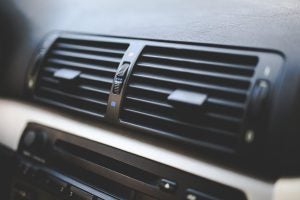
As temps continue to rise, it's important to ensure that you stay cool on all of your summer adventures. Car AC not working? There are several reasons why it may not be blowing cold air, some of which we'll cover in this article. Whatever the problem, your local Chevy dealer can solve the issue and help get you on your way. Is Your Car AC Not Working? Visit Your Chevy Dealer Today 5 Common Car AC Issues Here are some of the most typical issues people experience with their car AC: Refrigerant leak Broken cooling fans Compressor problems Blocked or broken condenser Electrical complications If you suspect one of these complications may be causing your AC to stop working, we recommend investigating and then bringing your car into our shop. Your local dealer can easily help resolve any of these issues so you can have a refreshing, worry-free summer. more Diagnosing the Problem When you notice that your AC isn't cooling your car properly, it can be stressful to try and determine the cause of the problem. Here are a few ways you can figure out what's wrong with your AC: Pay Attention to the Air Pressure While It's Turned On Ensure that the AC changes air pressure when you adjust the settings from high to low. Additionally, the air should be coming from only the vents you have selected. If the air pressure doesn't change or is coming from the wrong vents (or not at all), make sure to let us know when you bring your car in. Smell the Air Coming from the AC Unit If you notice strange smells coming from the AC while it's turned on, this could mean there's a leak somewhere. Because leaks can cause serious damage to your vehicle, it's crucial that you get the issue checked out ASAP. Listen for Any Unusual Noises Noises coming from the AC unit could indicate an issue with the compressor. If this is the case, you should take your vehicle in for a compressor replacement. Check Out the Fuses Another common issue that car air conditioning units face is broken fuses. Use the manual that came with your car to determine where the fuses are located, and then see whether they're broken. See if the Cabin Air Filter is Blocked A blocked air filter can cause unusual smells or lower air pressure. To fix the problem, you just need to replace the filter. Bring your car in to our shop to get this done quickly and easily. If you're experiencing problems with your Chevy's air conditioning system, take it to Bommarito Chevrolet South County for repairs. Our experts can diagnose and solve the issue for you, giving you peace of mind and a cool summer ahead.

Contact Us

Fill out this form below and we'll contact you shortly
*Required Fields